UNI-SQUARE
From outside director to CFO
A life no one has ever lived before
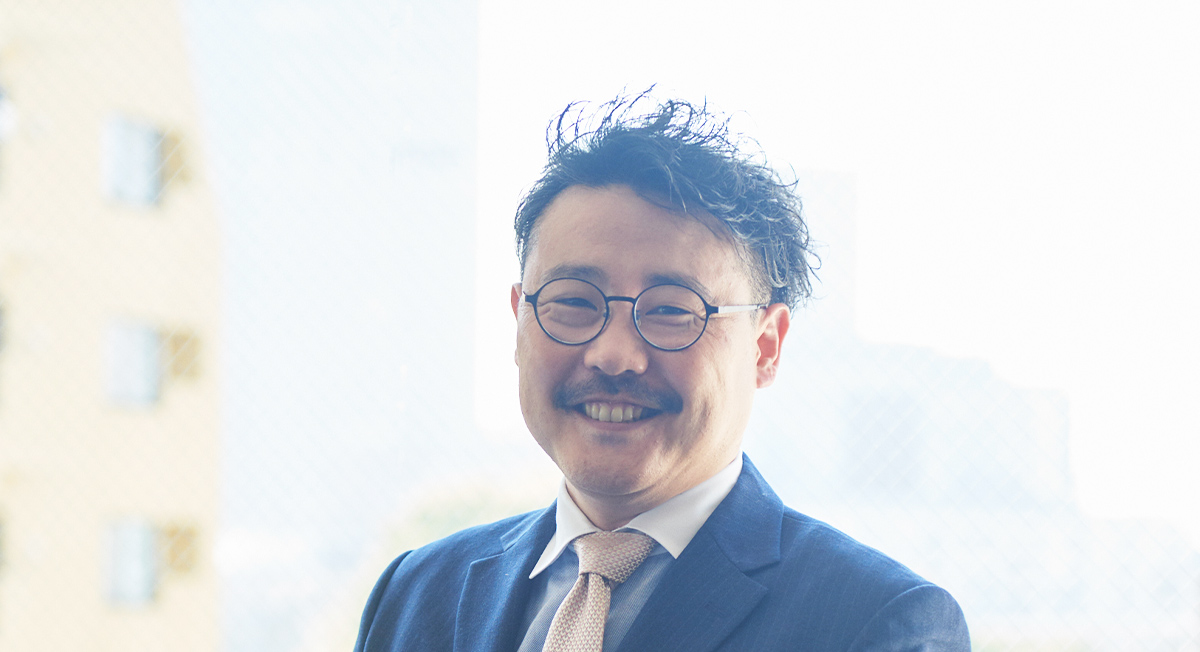
The last person to appear at UNI-SQUARE in 2024 will be Yosuke Sakuta, CFO of UNIVA Oak Holdings (hereinafter referred to as UOH). Mr. Sakuta, who has supported the UNIVA Group from the outside for 20 years as an international tax professional, was appointed Group CFO of UOH on June 25, 2024. We take a closer look at Sakuta's new challenge as he embarks on the unprecedented career path of going from tax accountant to CFO of a listed company!
From outside director to CFO: An unusual transition discouraged by those around him
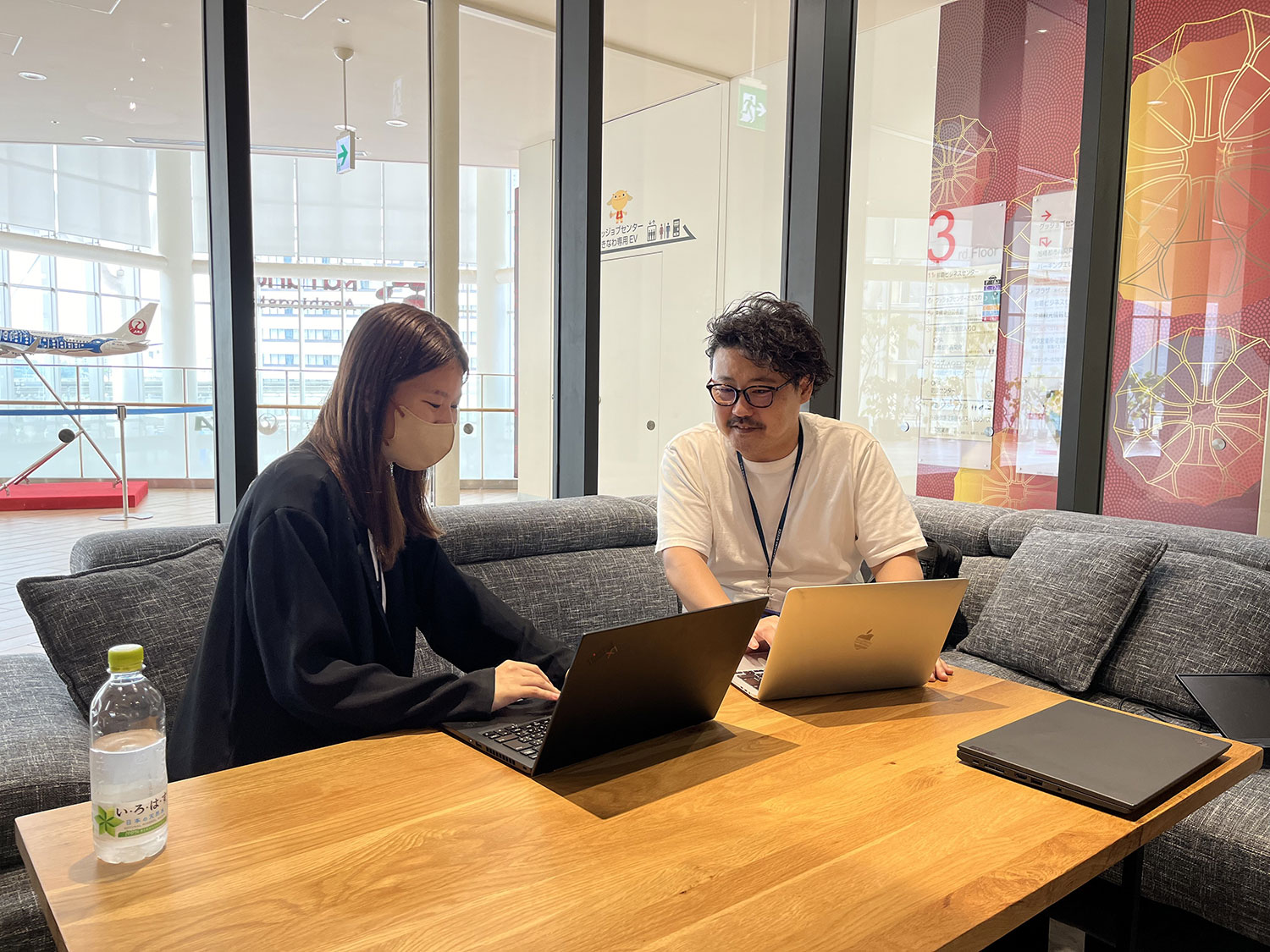
Sakuta has supported UNIVA's organizational restructuring and tax affairs for about 20 years. He passed the business of STC International Tax Corporation (hereinafter referred to as STC) to his successor, which he had managed for 20 years since his founding, and was appointed Group CFO of UOH in June this year. This must have been a huge decision for Sakuta's life.
"Shortly before STC's 15th anniversary, I had been thinking about handing over the reins as president, and I had been making preparations for it. A tax accountant is just a qualification. For me, STC was not my goal. I had a vague idea that I wanted to do something else someday."
It took Sakuta five years to hand over the business. For two years, Sakuta supported the new representative as a double representative, and after retiring as representative three years ago, he supported the UNIVA Group as a full-time auditor and full-time audit committee member of UOH while also supporting the new STC structure. He then said that Chairman Inaba proposed the idea of becoming CFO in October 2023. How did Sakuta feel at that time?
"I accepted without hesitation. I have seen many business managers in my career as a tax accountant, but Mr. Inaba is without a doubt the most outstanding business manager I have ever seen. I thought that Mr. Inaba would only be working on the front lines like he does now for another 10 years or so, so I wanted to work with him on any job I could now."
That being said, UOH is in a difficult situation.
"As you know, the UOH Group is in a dire situation, having posted losses for six consecutive fiscal years. I have received a lot of criticism from other tax accountants, asking what I was thinking, throwing away the achievements I have built up as a tax accountant over the past 20 years and becoming the CFO of such a difficult company. It is true that I have suddenly entered into an adverse current and it is a series of challenges. The CFO is not only on the management side. I am not only responsible for the finances of the entire UOH Group, but also the head of the administrative department including investor relations, human resources and general affairs, so my position has changed significantly. Moreover, because of this situation, I am also being asked to create new businesses, and I feel that I must contribute to profits through the experience I have gained up until now in accounting, tax, M&A, etc."
Changes in UOH
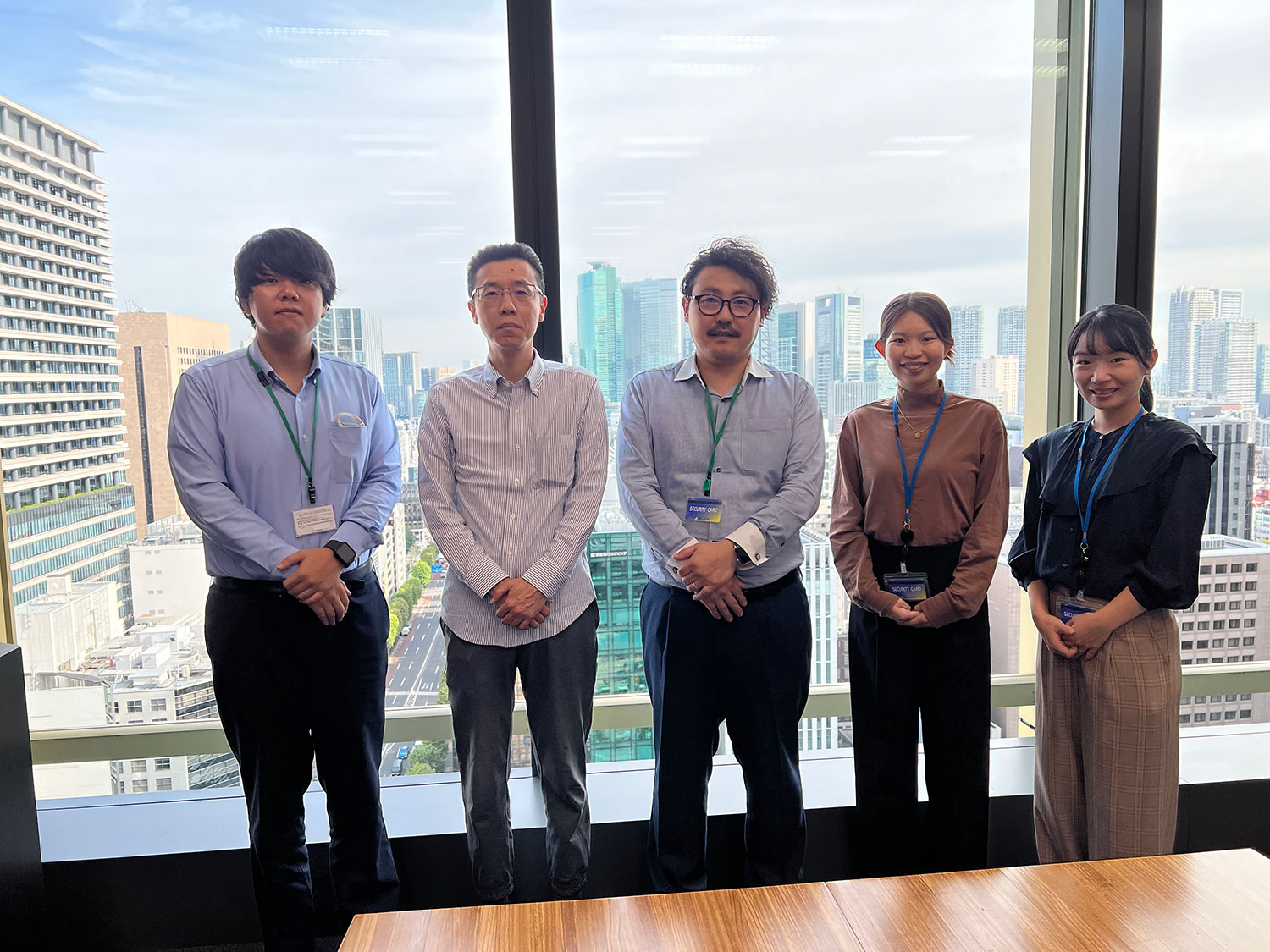
Tokyo Financial Team
Mr. Sakuda, you are also involved in the business of subsidiaries, including UOH.
"In addition to ensuring that each operating company is in the black, we also need to select businesses and sell off unnecessary businesses and assets, and create new businesses that are likely to be profitable. To do this, I need to know all the numbers, so I have more than 15 meetings this week (laughs)."
The top priority is to stabilize the UOH Group's finances, and in the long term, we aim to promote our business through various M&A deals, fund management, etc. What kind of reforms have been made at UOH in the past few months?
"Well, it's a much more old-fashioned culture than I imagined, and to be honest, it was quite stressful at first (laughs). I've been working on this since my time as an audit and supervisory committee member before I became CFO, and the first thing I did, in cooperation with general affairs and accounting, was to get rid of the culture of using seals. In addition to that, we digitized as many documents as possible and introduced remote work by changing the workflow. At first, employees were resistant to remote work, but from around July, the number of remote work employees increased, and it has gradually become established. Face-to-face communication is also important, so I don't think remote work is necessarily a good thing, but I don't think good human resources will gather at a company that does not allow diverse working styles."
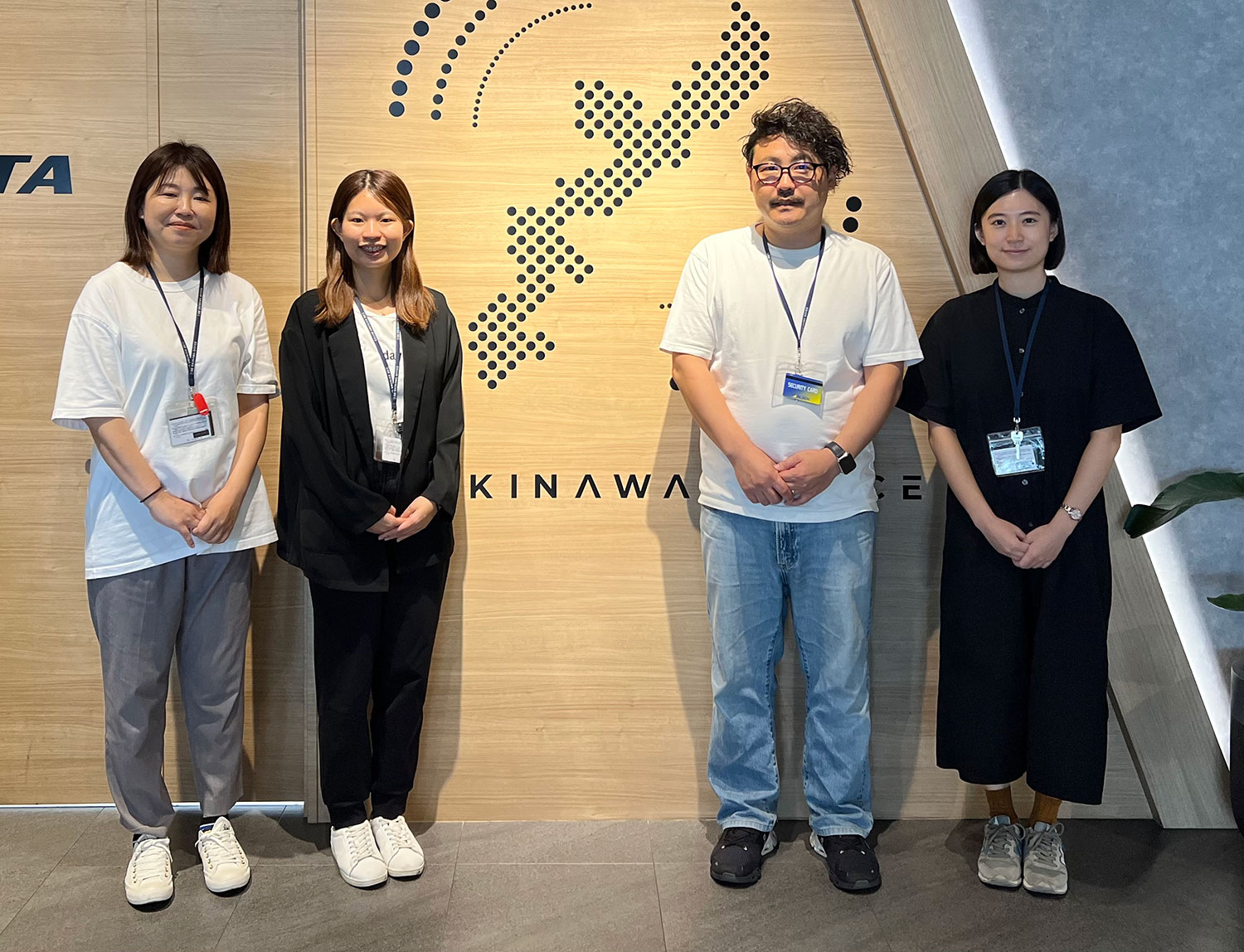
Financial Naha Team
In addition, Rhizoma is being restructured as part of the UOH Group's financial strategy. Rhizoma was established to consolidate back-office operations with the aim of sharing knowledge across the UOH Group, whose accounting and tax return procedures were originally carried out separately. However, things did not go well and the service was suspended in September 2023.
"From December 2023, it was a company that handled accounting and consolidated financial statements for companies in the Toranomon office, including UOH itself. When I became CFO, I wanted to go beyond being a shared services company and create a group of financial accounting professionals."
As Sakuta had hoped, Rhizoma now covers everything from financial accounting to taxation, so it can handle everything from each company's financial statements to tax returns and consolidated financial statements, all in one place. They say that by sharing their knowledge with each other, they have been able to deepen the expertise of their work.
"I think it will also be useful in conducting financial due diligence for companies that join the UOH Group in the future, and in preparing the accounting department for a listed company structure. In fact, we are currently working on a joint project with Sterling Securities, as well as carrying out due diligence for potential M&A companies."
What I want to tell my UOH friends to get back in the black
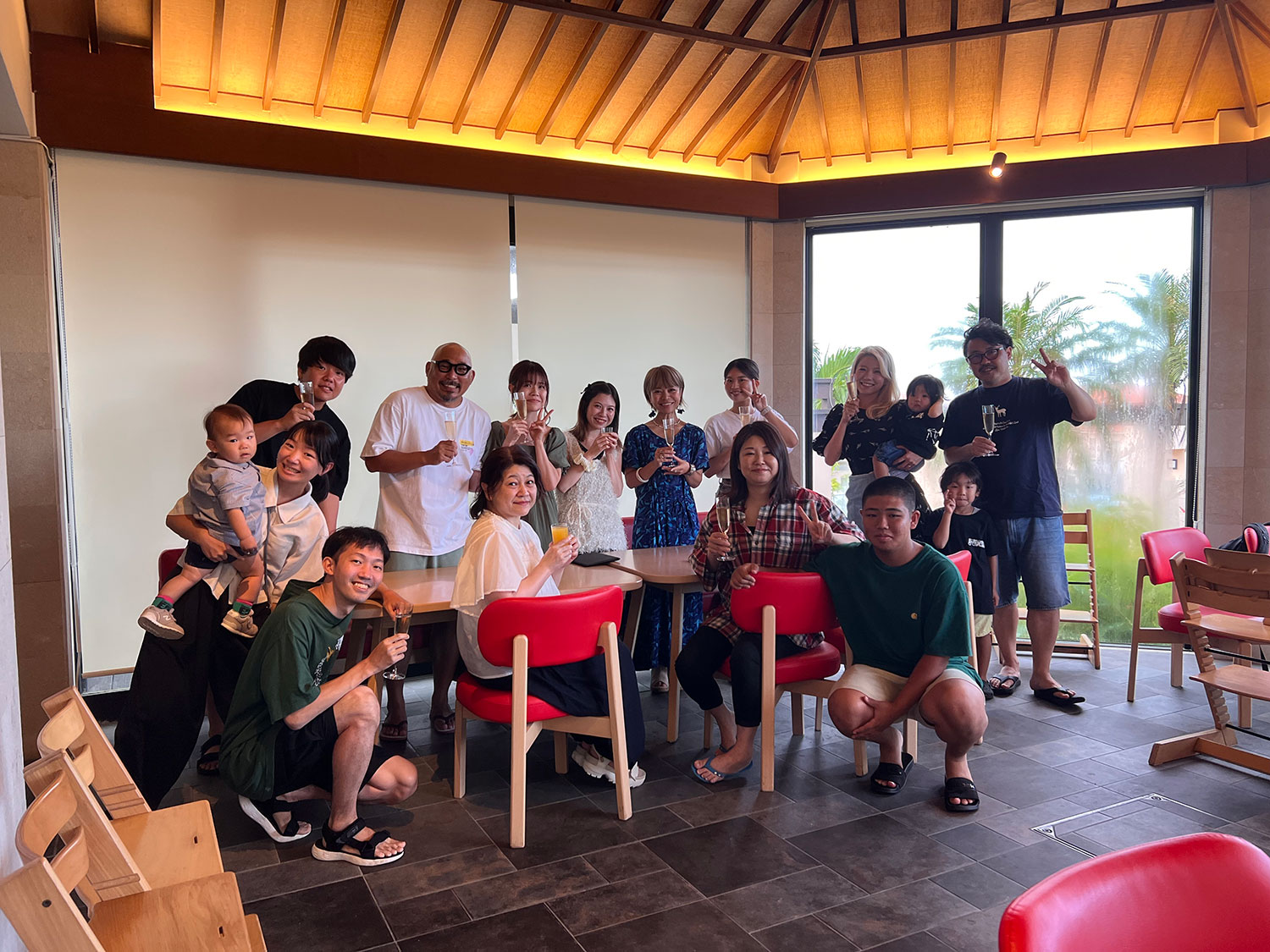
Rhizoma Company Trip
Mr. Sakuta, could you tell us your thoughts on how to turn the company into a profitable business?
"If we can make all of our existing subsidiaries profitable, then the whole company will be profitable. I think that kind of basic thing is important. At the same time, we need to move forward with discontinuing unprofitable businesses. After doing these two things, we can pursue M&A with other companies. You can't make a company profitable with superficial technology."
Sakuta, who says this, is committed to increasing sales, and actively introduces business partners and clients using the network he has built up over 20 years as a tax accountant. There are also new developments in measures to address stock prices.
"Until now, we have only said good things to shareholders and never said anything bad. But nowadays, shareholders are able to get information on their own, so they won't believe us if we tell them good or abstract things. That's why we disclose both the good and the bad and explain them clearly. We are also putting a lot of effort into reforming our IR. Furthermore, in November we began strengthening our employee stock ownership plan. Currently (as of the interview in October), there are only five people in the entire group who are members of the stock ownership plan. That's five people! You can see from these numbers how little our employees are paying attention to the group as a whole. So, for the three months from November to January, the company will pay 100% of the stock ownership plan incentive. In other words, there will be no loss unless the stock price falls below half its value. I hope that this will spark interest and create a system in which the entire group can be viewed through the stock price. I believe that this is what leads to co-creation."
Has your efforts strengthened the sense of co-creation within UOH?
"Honestly, there is still a long way to go. Personally, I feel that compared to the UNIVA CAPITAL Group, the UOH Group is more inward-looking. Originally, the UOH Group had no concept of synergy or a culture of co-creation, so many people are not very interested in other companies. However, since Mr. Inaba became CEO, he has repeatedly emphasized 'co-creation' and 'synergy,' so things are gradually changing. With Fusion and Gyro-n joining the group, the whole group has become more youthful, and we are seeing an increase in cases of co-creation."
Finally, when we asked for a message to everyone at UOH, Sakuta choked up and said, "There are too many." After thinking for a while, he slowly opened his mouth and spoke:
"Partly because we have continued to post losses, there is an overwhelming lack of a winner's mentality among everyone. The mindset is, 'We must generate sales!' or 'We must turn a profit!' I want to change that. Many people in growing and expanding companies have this winner's mentality. Each individual has a strong mentality and takes proactive action. That is the kind of company I want to aim to be. To achieve this, I don't mind some disruptions. We, the executives, need to create the venues and opportunities for this kind of training."
Sakuta has embarked on an unprecedented and unusual career path as a tax accountant becoming CFO of a listed company.
Sakuta's challenge to turn a profit, to co-create, and to build a strong company has just begun.
Thank you very much for this opportunity, Sakuta-san.