UNI-SQUARE
Thinking about world peace through work
—— September 21 'International Day of Peace' Special Project
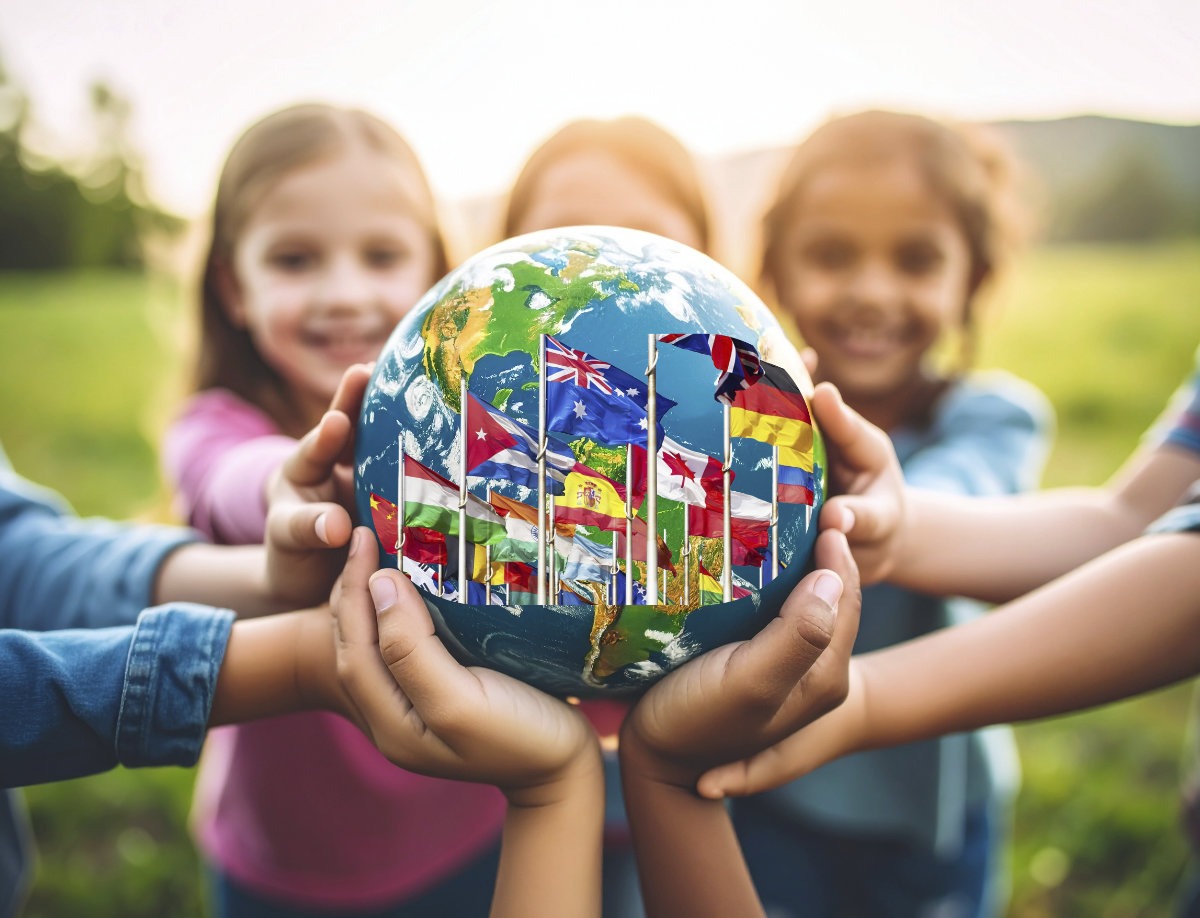
September 21 is the United Nations-designated International Day of Peace.
In a world plagued by conflict and division, this day offers a moment for all nations and people to reflect on the value of peace.
UNIVA GROUP has adopted the management philosophy of "contributing to global peace and harmony by creating win-win-win relationships the world over in all of our business activities."
So, how are "work" and "peace" connected?
In the September issue of UNI-SQUARE, we posed this question to five NAKAMA to explore the answer. We share the thoughts of these NAKAMA, who collaborate daily despite differences in nationality, language, culture, and values.
We hope that this article will inspire you, our readers, to reflect on what "peace in your daily life" means to you.
What is world peace?
When we hear the term "world peace," many people probably imagine a world without war. However, today, there are multifaceted forms of peace that cannot be fully captured by this single concept, and these are ongoing topics of discussion in the international community.
The United Nations (UN) defines peace not only as "the absence of violence," but also as building a society where everyone can live with dignity through "the elimination of poverty," "equal access to education and healthcare," "efforts to address climate change," and "the protection of human rights." This concept is also reflected in the SDGs (Sustainable Development Goals).
In 2024, the UN adopted the theme "Actions for Peace: Our Ambition for the #GlobalGoals," emphasizing the importance of "everyone becoming a peacekeeper." Additionally, the late Pope Francis, in his 2025 message, urged that "AI and technology be used in ways that align with human dignity and ethics," advocating for the future of peace.
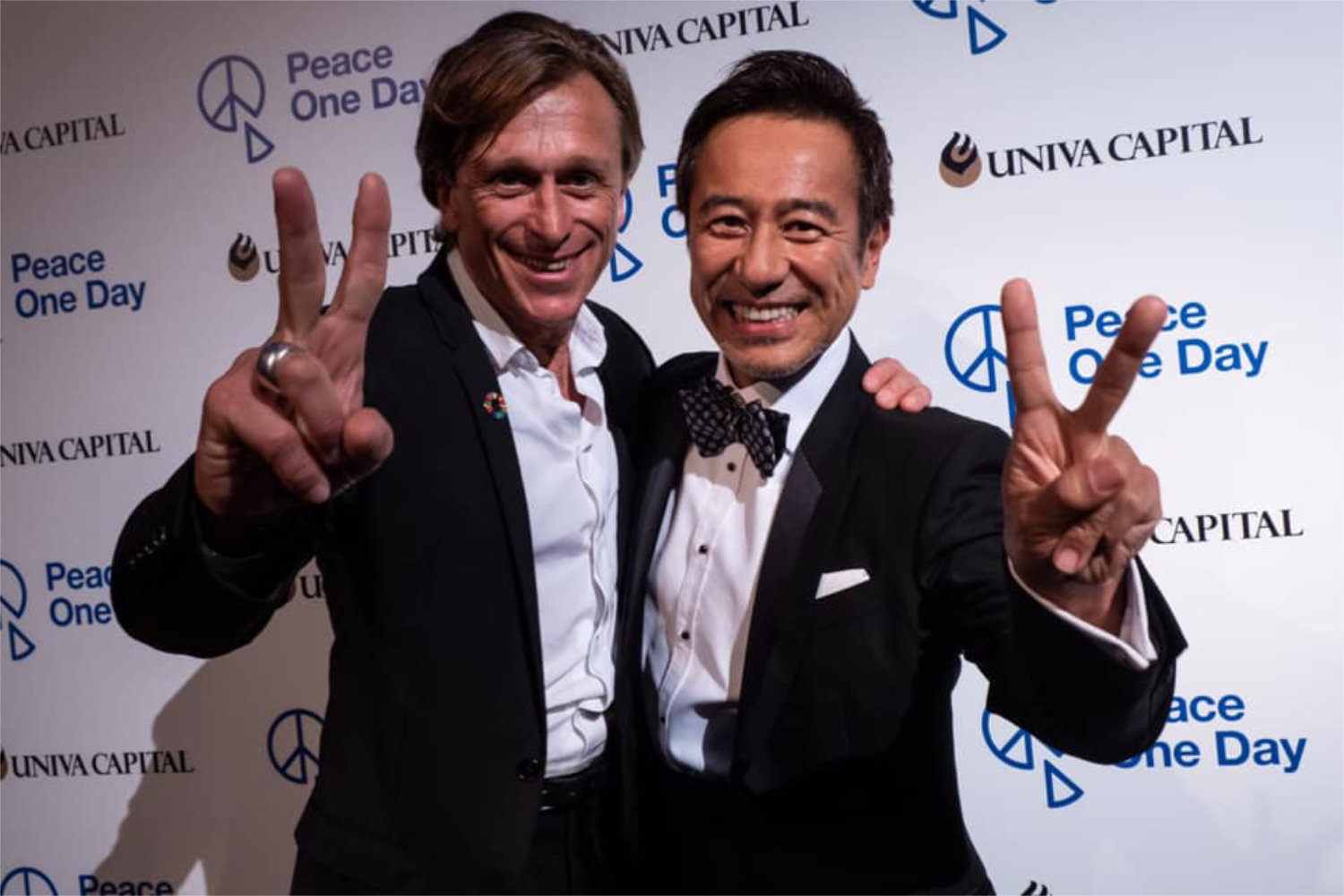
Companies are also expected to contribute to peace through their business activities as members of society. As part of this effort, the UNIVA GROUP has sponsored the activities of the international non-profit organization Peace One Day from 2017 to 2020.
In particular, in 2019, the UNIVA GROUP co-sponsored "Peace One Day Live" held at Shakespeare's Globe Theatre in London, resonating with its commitment to promoting the value of peace through music, theater, and dialogue.
While what a single company can do may be small, the "attitude of seeking to understand" and the "culture of dialogue" can be started anywhere in the world. Let's explore the "shapes of peace" that NAKAMA feels in our daily lives and find hints to achieve world peace.
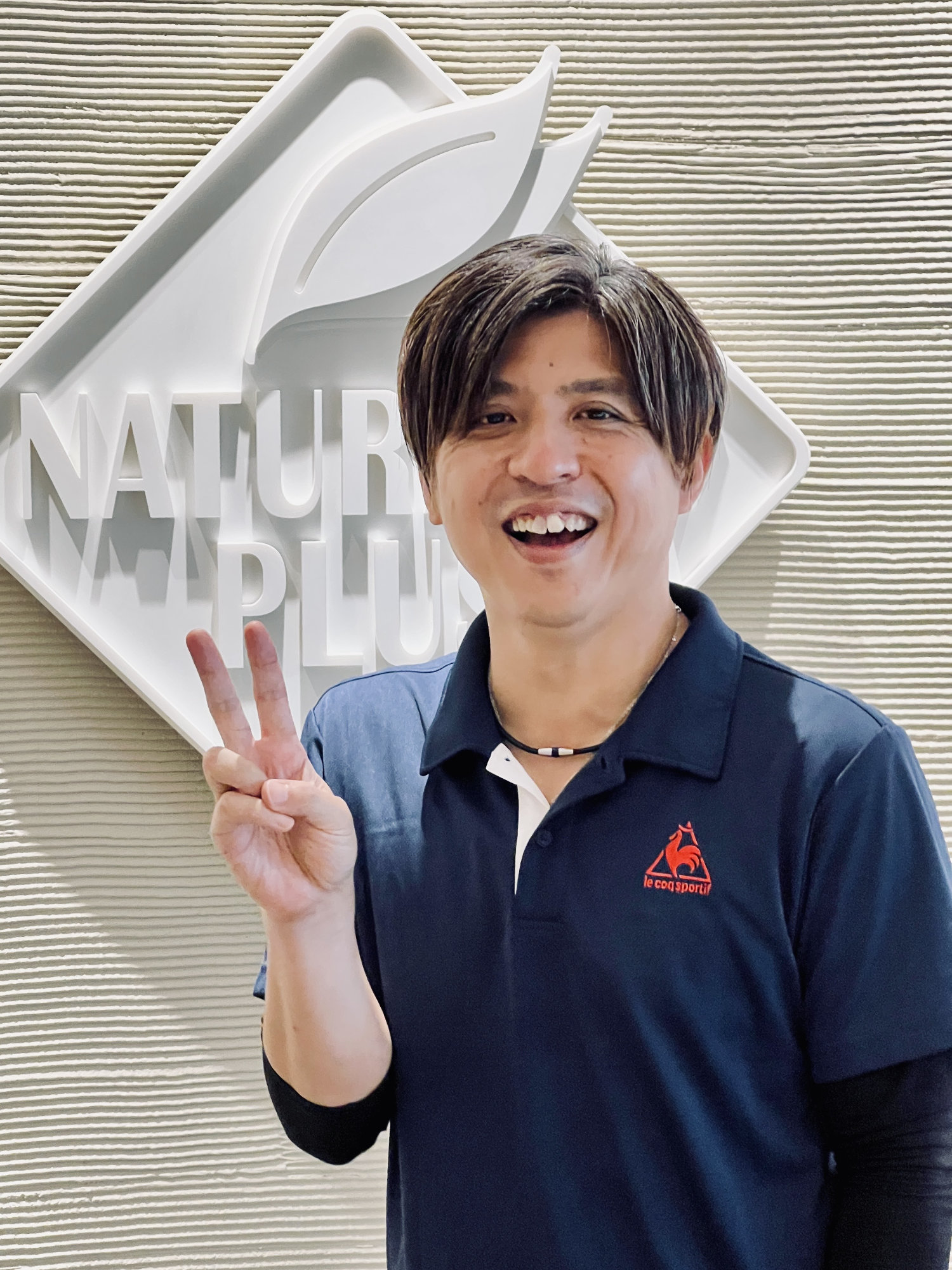
Naturally Plus Japan,
Business Division, Area Support Department, Tokyo Salon
Kohei Hori
A world where we can think of others beyond ourselves
For me, a "peaceful state" is one where there are no unkind people. Unfortunately, in this world, there are many people who think "as long as I'm okay, that's all that matters." I believe that even a small increase in the number of people who prioritize others over themselves can lead to peace. The same applies to work. I strive to remain calm and considerate toward my subordinates, and toward my superiors, I focus on doing my part and then honestly communicating my opinions. Working at UNIVA GROUP has taught me that I am never 100% correct. There are various cultures and values, and I have learned to discipline myself to always consider the possibility that I might be wrong. I believe that a smile, a universal language, is essential for peace. To protect the smiles of my precious daughters and NP members, I want to cherish the peace of everyday life.
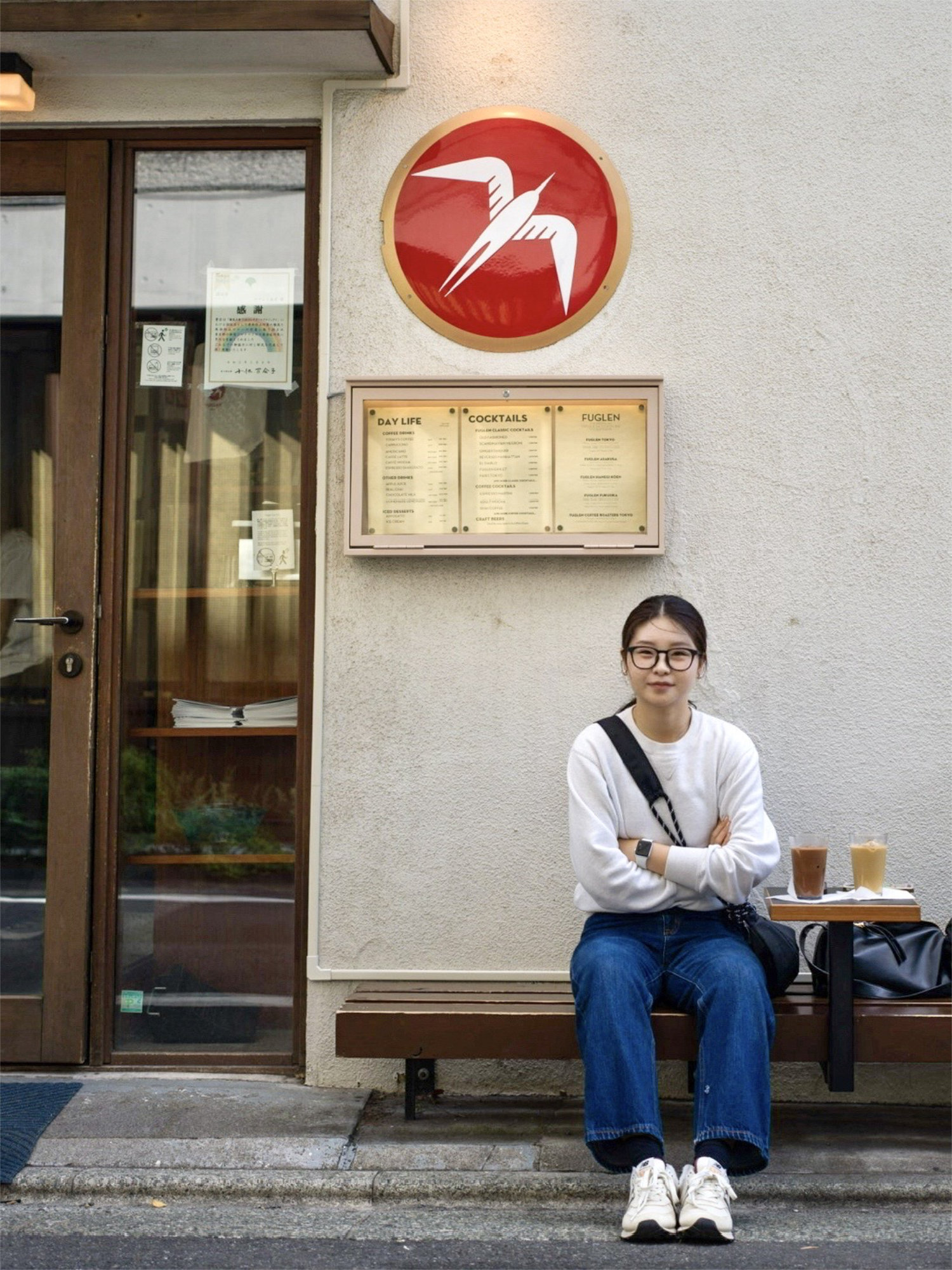
UNIVA Japan,
Facility Division
HanYu Zhou
When we acknowledge each other, differences become opportunities for growth and learning.
I feel peace in the casual moments with my family and the quiet mornings when a new day begins. It is precisely because I realized that such ordinary moments are not taken for granted that I cherish them. Both in my personal life and at work, I believe that a state of mutual recognition and trust is the essence of peace. Especially at work, I make an effort to imagine others' perspectives and backgrounds, and to communicate with kindness and consideration. Even during busy times, it is important to be considerate and thorough. As an international student working in Japan, I often encounter cultural and customary differences that can be confusing. Each time, I am reminded that there is no single "correct" answer, and I am given the opportunity to broaden my perspective. Rather than imposing my own views, I believe that by communicating thoughtfully and striving to understand others, differences can become opportunities for learning and growth.
UNIVA Paycast,
System Headquarters, General Systems
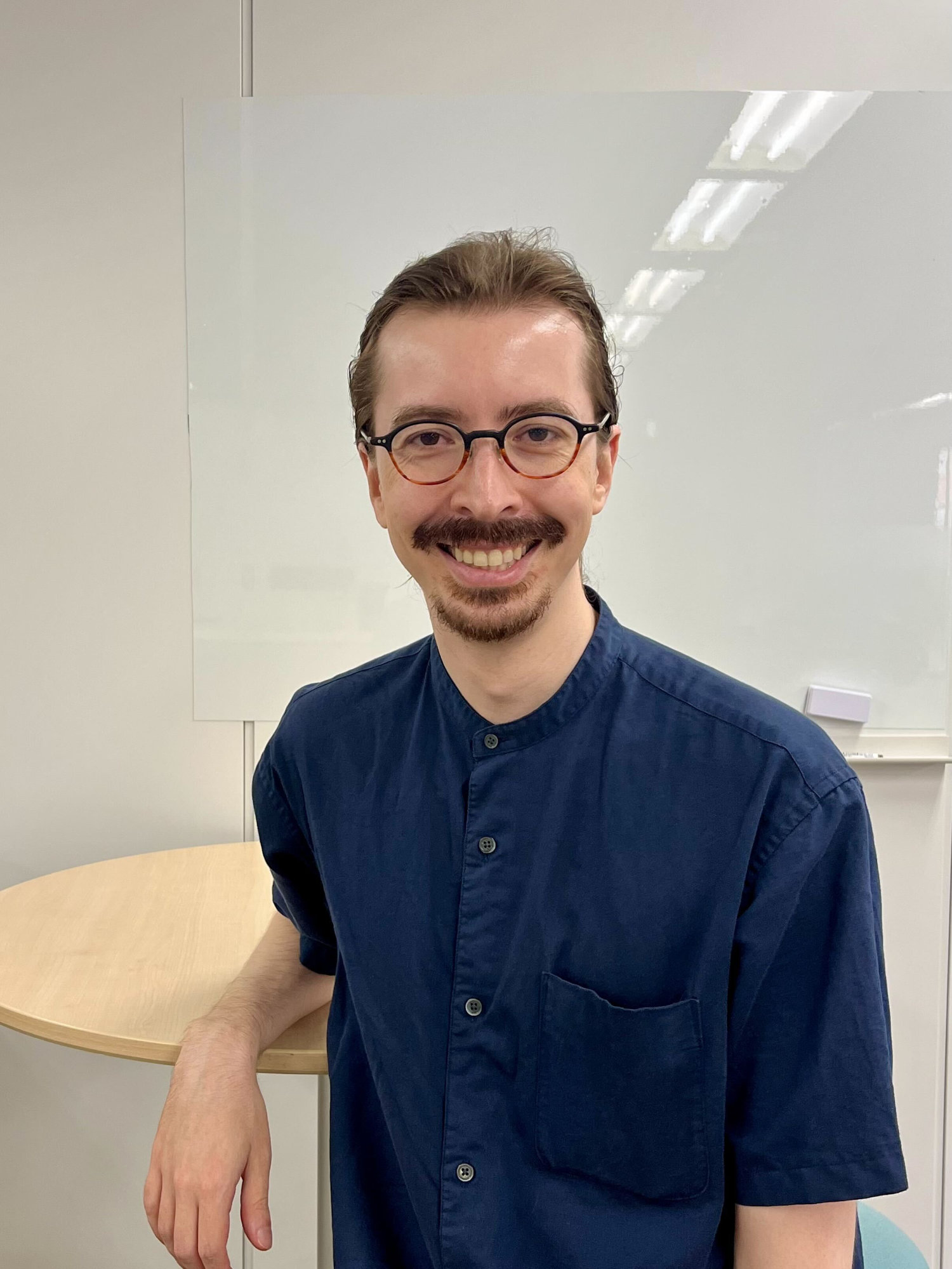
Andre Zimmermann
Because peace allows us to feel the present moment, I cherish peace.
Peace is very personal to me. I feel peace when I am free from anxiety about tomorrow and can immerse myself in the present moment. Conversely, when my mind is disturbed by the pressures of daily life, I unconsciously try to return to my true self. Feeling the present moment and clearing my mind are only possible because of peace. That is why I value peace. At work, valuing dialogue fosters good relationships. When differences of opinion arise, I focus on finding compromises and mutual understanding, and sometimes step in to mediate. While it's easy to say, I strive to put this into practice as much as possible. Working at UNIVA GROUP, I have learned that a "common foundation" is not something innate, but a collaborative contractual relationship built through trial and error. I believe that accepting differences in interpretation and understanding, and communicating them verbally, is essential for peace.
Naturally Plus Malaysia,
Planning Department
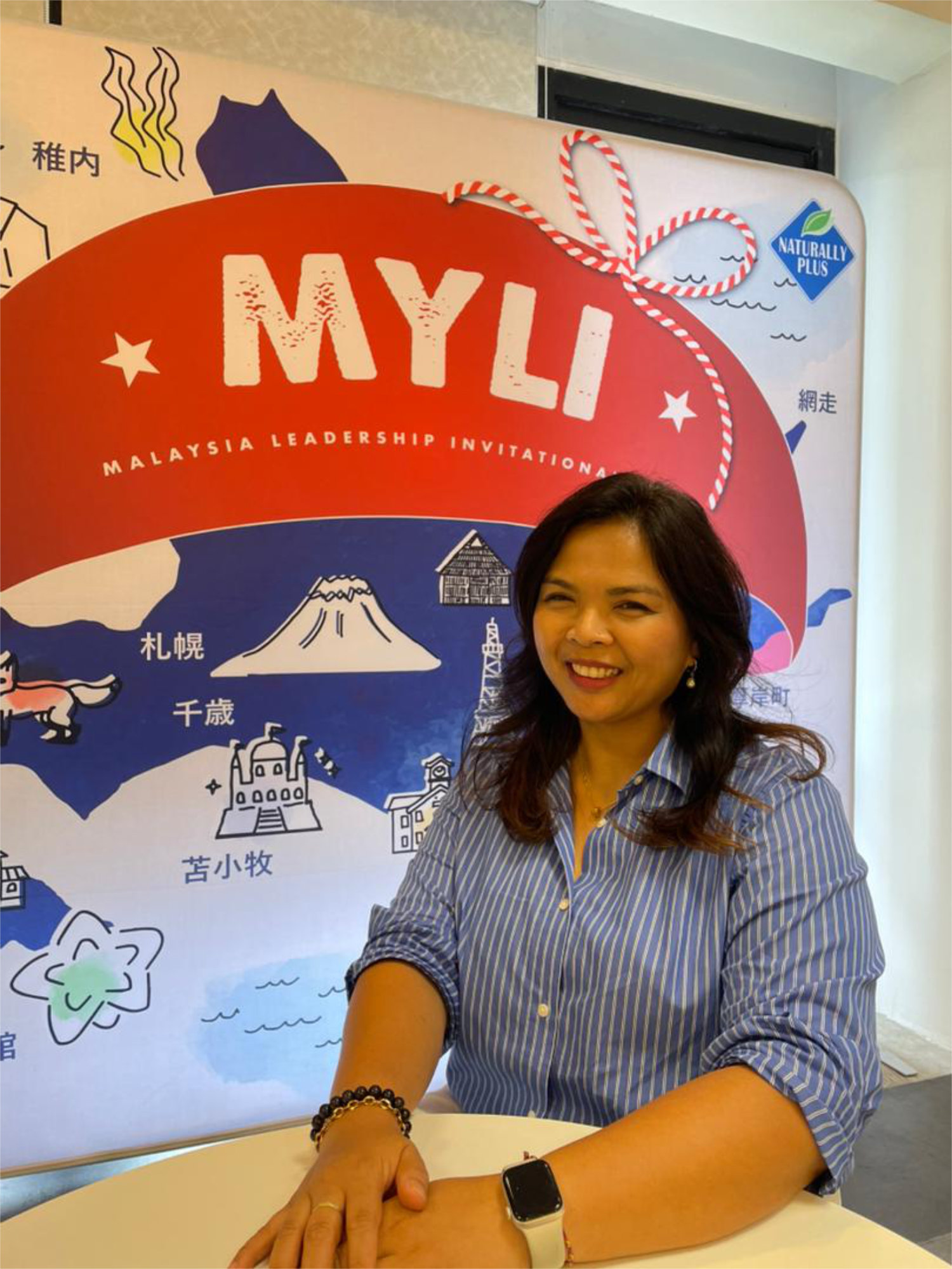
Virginia Wong
Peace is not a single decision but the accumulation of small daily efforts.
For me, peace means respecting and accepting one another while maintaining a healthy distance. Peace is not the absence of conflict, but the choice to respond calmly and seek mutual understanding when faced with conflict. And peace is not a single decision, but the accumulation of small daily actions. For example, choosing forgiveness over anger, listening instead of interrupting, and showing compassion instead of blame. Through these small actions, peace is achieved. In my work, I make an effort to listen carefully to others, value communication, and express gratitude for the efforts of those around me. I believe that a simple "thank you" or a little kindness can help create a peaceful and comfortable atmosphere in the workplace. Currently, I am working with people from Japan, Taiwan, and Singapore, and cultural differences have never been an obstacle. Instead, these differences have led to learning and growth. By valuing shared values such as "respect" and "teamwork," we are able to work smoothly together.

UNIVA Gyro-n,
Sales Division
Kotarou Sudo
What is taken for granted is not always taken for granted" is the key to world peace.
When trains run on time, when colleagues lend a helping hand when I'm in trouble, or when everyone's opinions come together smoothly, I feel a sense of calm harmony around me. Valuing peace is about cherishing every day. I truly believe that a daily life where I can enjoy time with friends and work is the most precious form of peace. At work, I always make an effort to listen carefully to others' opinions and respect their perspectives. Even when opinions differ, I strive to understand the background and maintain smooth communication, believing this leads to productive work. Working with diverse colleagues has taught me that "what is taken for granted is not always the norm." By understanding these differences and incorporating each other's strengths, we can generate new ideas from multiple perspectives. This is an important lesson that also applies to broader concepts of world peace.
In conclusion

Through employee interviews, we have come to see that "peace" is not an unattainable ideal far away, but something that exists right here in our daily lives.
The peaceful time spent with family, the pure smiles of children, and the workplace atmosphere where differing opinions are respected.
All of these are small yet tangible forms of "peace." And they are nurtured and grown richer and kinder through the awareness and choices of each and every one of us.
The term "world peace" may sound grand.
But it is the accumulation of sincere engagement with those around us, accepting differences, and choosing dialogue over conflict that builds the foundation of a peaceful society.
On International Peace Day, let us reflect on peace.
Why not take this opportunity to reflect on what peace means to you?
No, let's not just think about it—let's take action!