UNI-SQUARE
New 3x3 Basketball League Launches in Japan
UNIVA RBL: Challenging the World
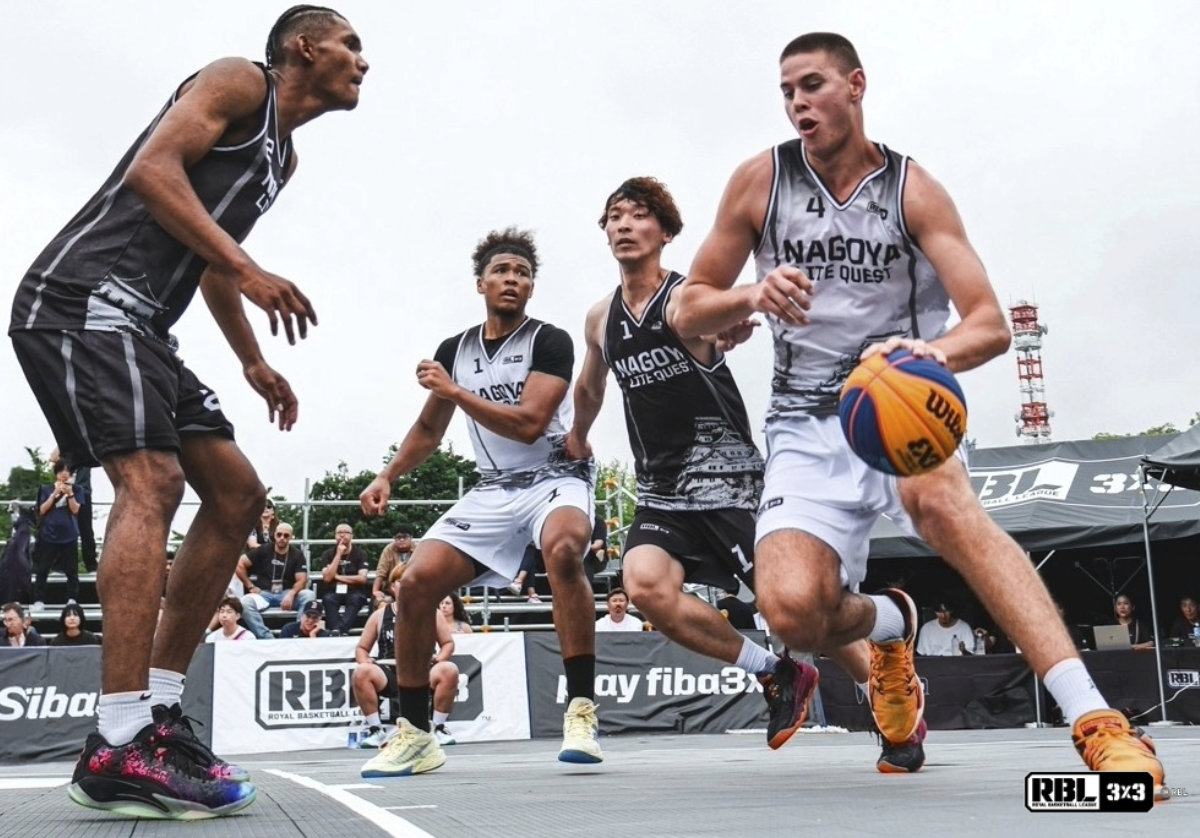
Once known as "street basketball," 3x3 basketball (hereafter referred to as 3x3) has now become a global urban sport, with its fervor spreading worldwide. Its status as an official event at the 2020 Tokyo Olympics has only increased its popularity. The sport's appeal lies in its fast-paced gameplay, made possible by 10-minute matches played with just three players.
In this 3x3 world, UNIVA RBL, founded in April 2025, has created its own league and is challenging the world from its base in Japan. In the November issue of UNI-SQUARE, we spoke with Rohit Bakshi, founder of RBL and President and CEO of UNIVA RBL, about his grand vision to overturn the conventions of the basketball world.
Connecting the World Through Sports
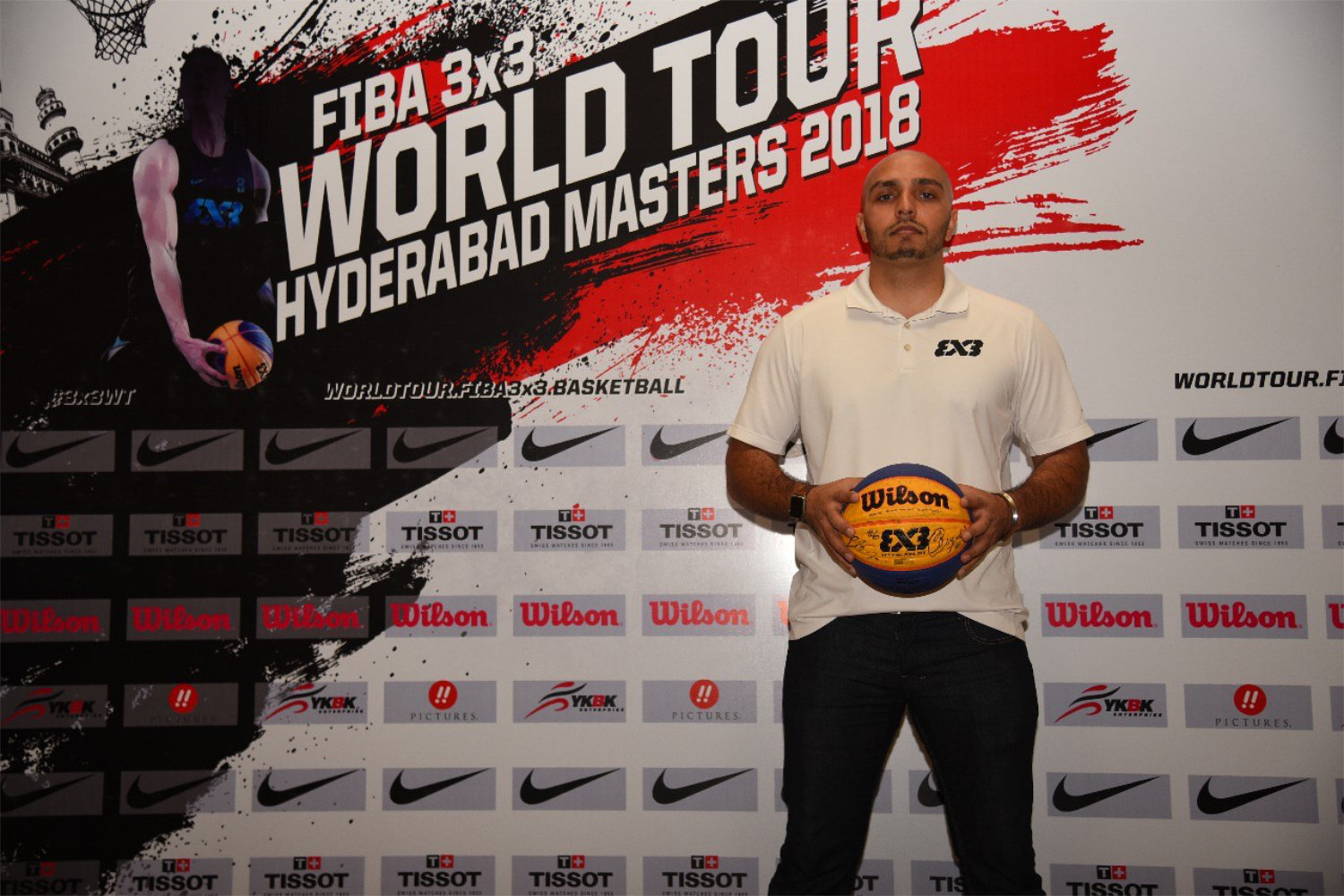
Rohit was once a professional 3x3 player, winning the Japanese league championship in 2016. After competing on the world stage, he retired in 2017. He then achieved success in investment and real estate, and is now an entrepreneur who travels the world as a jet-setter, active in India, Europe, Japan, and beyond. So why did Rohit decide to launch a 3x3 league in Japan?
"In Japan, there's a culture not just of supporting sports but of nurturing them, and I was drawn to that. It made me want to create a professional league here. 3x3 basketball originated from 3-on-3 street basketball enjoyed in North America. Initially, there were no unified rules, and it was played in a free style. The person who established 3x3 as an official sport was the late Patrick Baumann. As former Deputy Secretary General of FIBA (International Basketball Federation), he made 3x3 basketball an official discipline. He created a system where increasing participation and corporate sponsorship of club teams could lead to winning world titles. He built a framework where new nations could win world titles and produce star players in the 3x3 world, breaking the monopoly of American basketball.
Countries that could never win medals in 5-on-5 basketball can reach the top of the world in 3x3. Mongolia is a prime example. '3x3 has the power to change the world' – I think being drawn to that vision was a major factor."
Things We Can’t Ask Anymore: What are the rules and appeal of “3x3”??
Before diving into the main topic, here's a quick explanation of 3x3 rules for NAKAMA who aren't basketball experts.
3x3 uses a half-court (one goal) from 5-a-side basketball, with teams of three players (one may sit on the bench). Game time is 10 minutes, with shots inside the line worth 1 point and shots outside the line worth 2 points. The team that reaches 21 points within 10 minutes, or has more points when the 10 minutes elapse, wins. The biggest appeal of 3x3 is its fast-paced, exciting gameplay, driven by the short 12-second shot clock (half that of 5-a-side), which demands quick offensive execution.
In fact, Japan has many professional 3x3 players and over 300 teams. Yet, it remains relatively unknown to the general public.
"Japan's first professional league launched in 2014 and has been driving the growth of 3x3. Each year, more teams join the league, and the number of players is increasing. However, I believe one reason for the lack of recognition is that there hasn't been a budget allocated for PR activities. Furthermore, since a stable business model for team operations hasn't been established, players, despite being professionals, cannot make a living solely from competition and must juggle other jobs daily. Yet, top European players earn tens of millions of yen annually. I want to create an environment where Japanese players can make a living solely from 3x3."
That passion drives Rohit.
Establishing an unprecedented new professional league
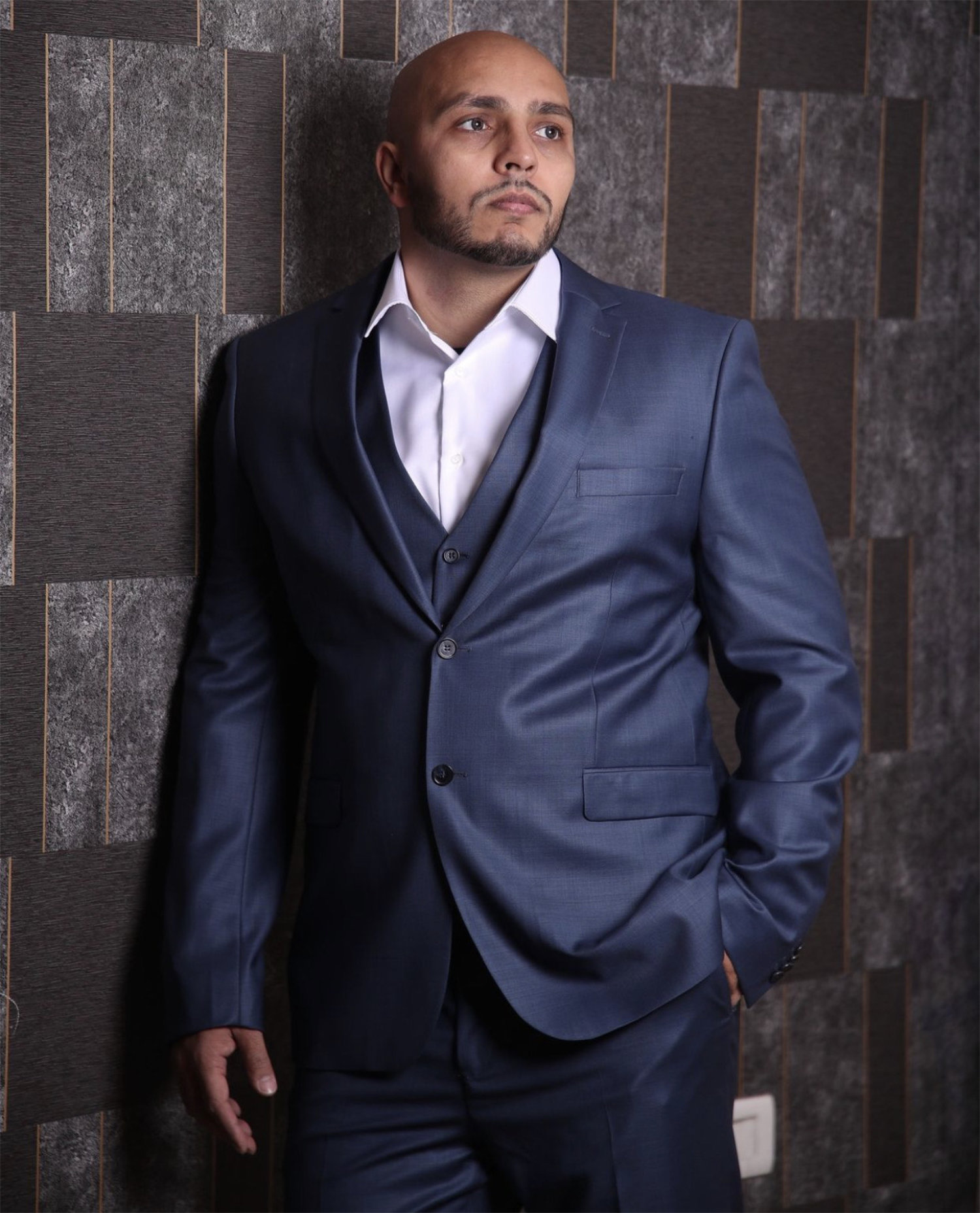
Driven by this passion, he established UNIVA RBL in April 2025.
"The 'Royal Basketball League' (RBL) we launched is not just a professional league. It was created under the vision of generating an ideal cycle between sports and business. RBL is structured to be a media platform where successful individuals gather, deepen business connections, and expand their own ventures. The profits generated there are then reinvested into the league to improve player compensation. This is the RBL business model."
This perspective is uniquely Rohit's, drawing from his background as a former pro player, league owner, and entrepreneur.
"I believe RBL's strengths lie in my experience in sports marketing and sports business. Furthermore, it lies in the ability to connect with networks in India and overseas through me. Regarding the league itself, we aim to build a player-first league from the players' perspective. In the immediate term, we plan to start with 12 Japanese teams. Currently, we do not charge a team membership fee; sponsors serve as our revenue source."
You're just getting started—how does it feel?
"First, we successfully launched Nagoya Lite Quest. Building on this achievement, we're already working to fully launch the league starting in 2026."
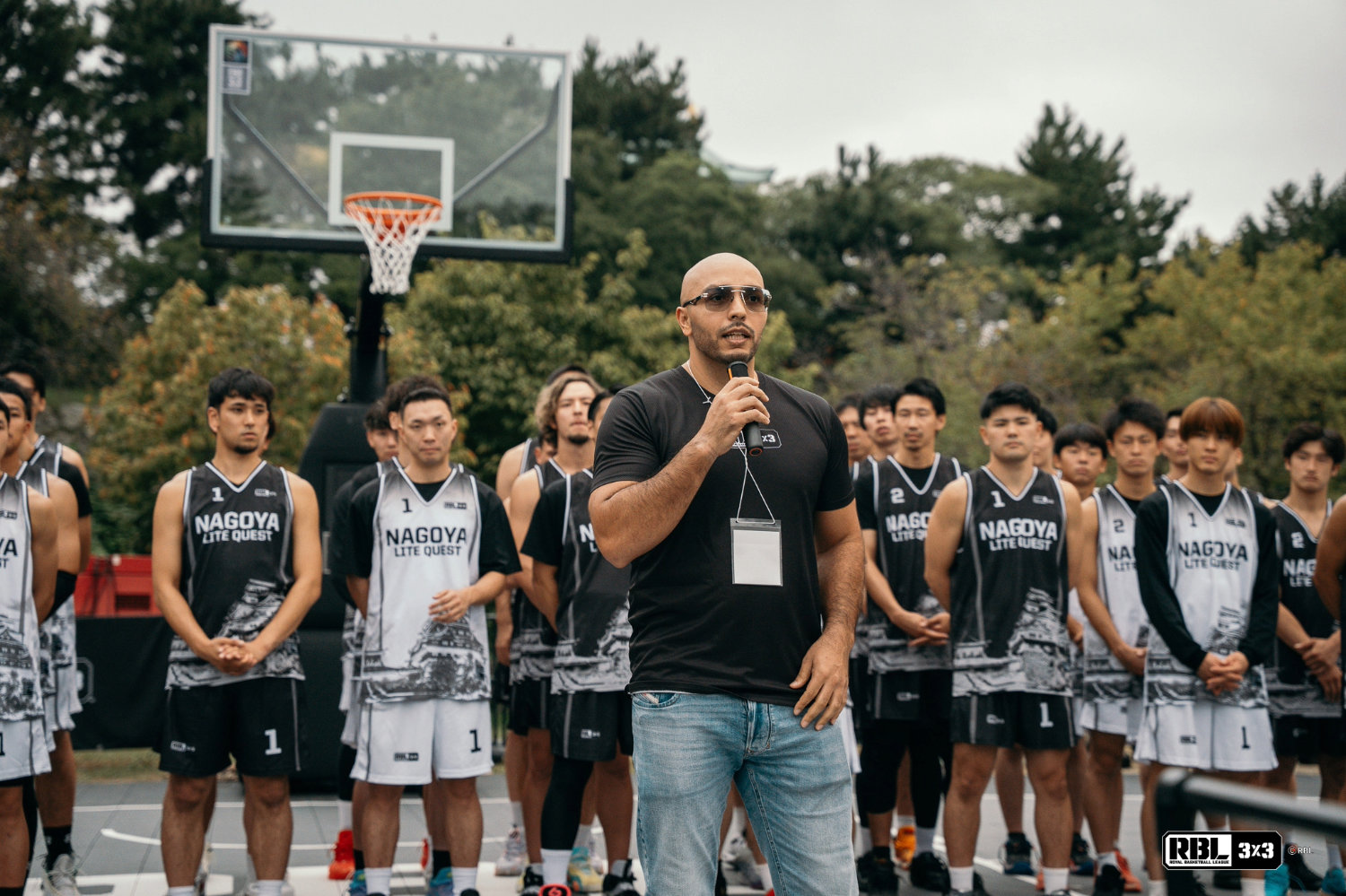
It was precisely through Rohit's determination and passion that the pre-league event was realized at Nagoya Castle on September 20th and 21st. We saw it as a perfect opportunity to deliver the excitement of RBL to the 20,000 people visiting Nagoya Castle over the weekend.
"This tournament became the perfect stage to showcase the level of league we aim to achieve to the world."
Looking toward the world, changing the future
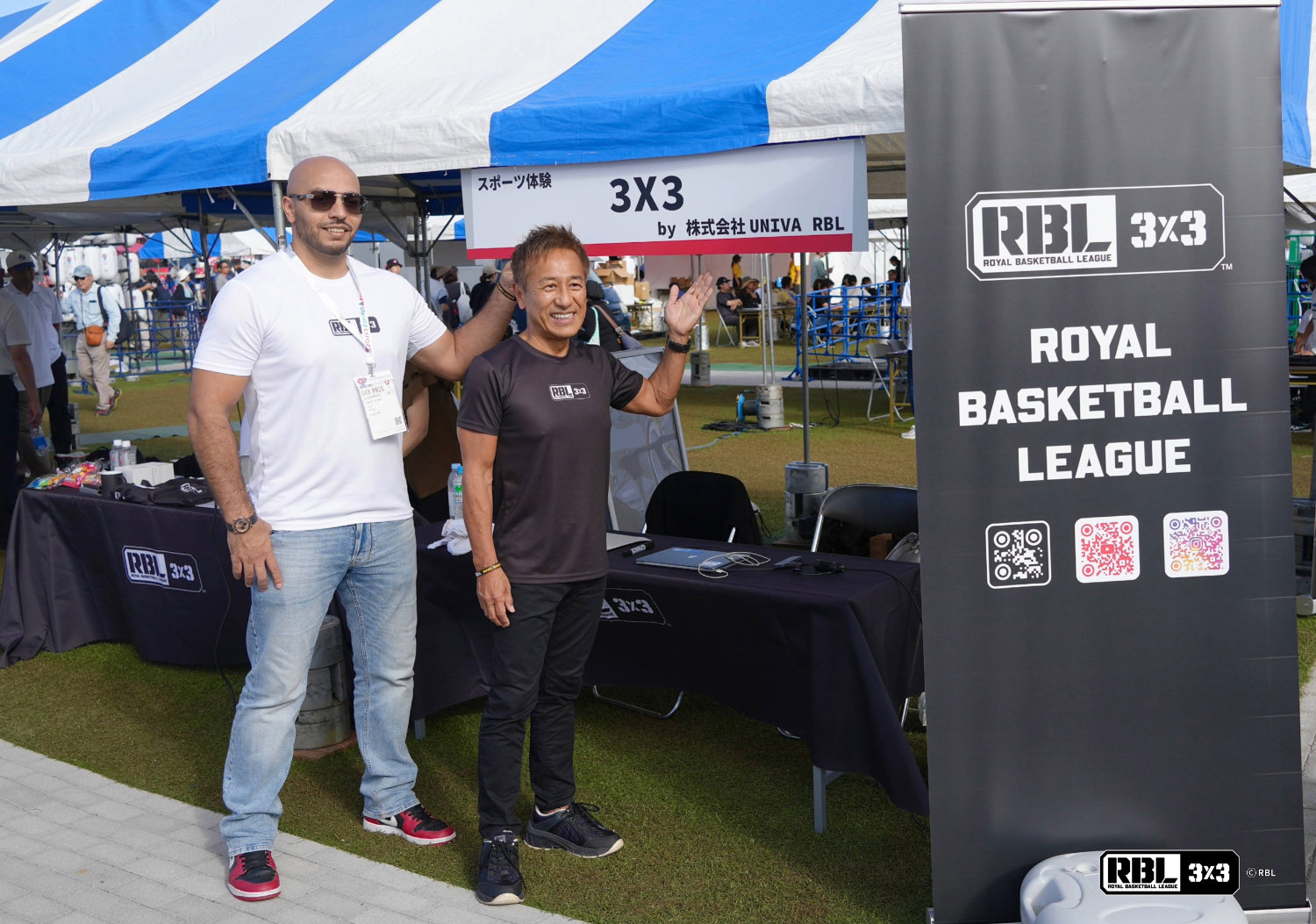
Now that the event has concluded successfully, what are your future plans?
"Next year, we plan to start in Tokyo, then hold leagues in Nagoya, Osaka, Kyushu, and other locations, with the finals taking place in Tokyo. Beyond that, we aim to expand to all 47 prefectures nationwide. We plan to promote international tournaments to boost inbound tourism, create jobs, and advance educational activities that broaden the international perspective of young people in host cities, all while contributing to regional revitalization through sports.
Of course, we also have our sights set on the world. We plan to expand the league to new countries each year: India in 2027, Australia in 2029, followed by Singapore and the UAE."
The sound of dribbles echoing on asphalt, a single line drawn at the free-throw line, and six players competing with speed and skill. The excitement of RBL that resonated at Nagoya Castle in September is merely the intro.
We look forward to continuing the story of RBL, which aims to realize a borderless and prosperous society by advancing the global development of 3x3 basketball and delivering the infinite power and inspiration that sports possess.
Thank you so much, Rohit!