UNI-SQUARE
Three UNIVA Group Companies Discuss "The Truth of B2B Sales"
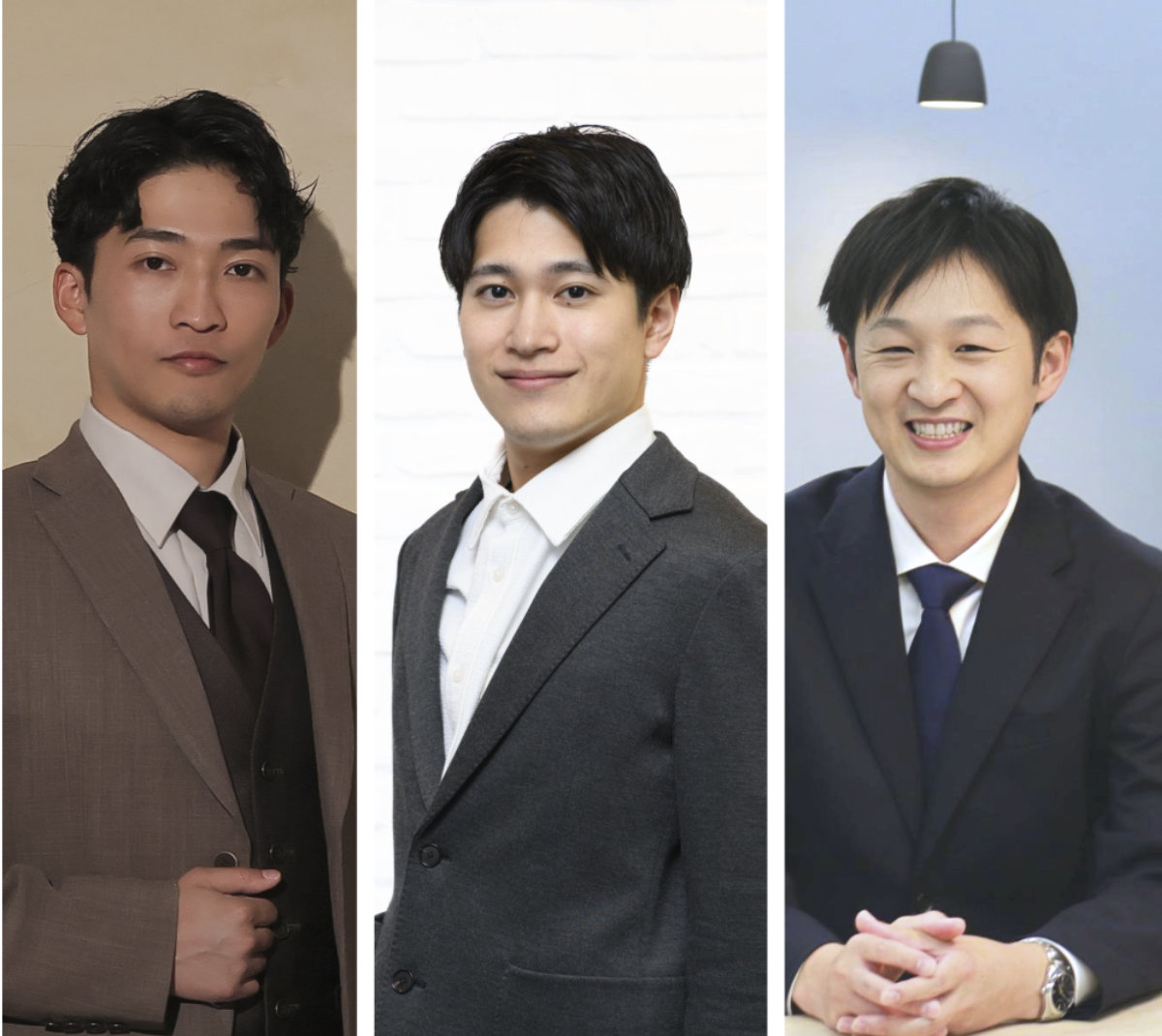
The UNIVA Group operates diverse businesses, but we believe that B2B sales in the Japanese market present unique challenges, keys to success, and "truths of sales" for each sales function. Therefore, the March issue of UNI-SIGHT features a roundtable discussion among sales professionals.
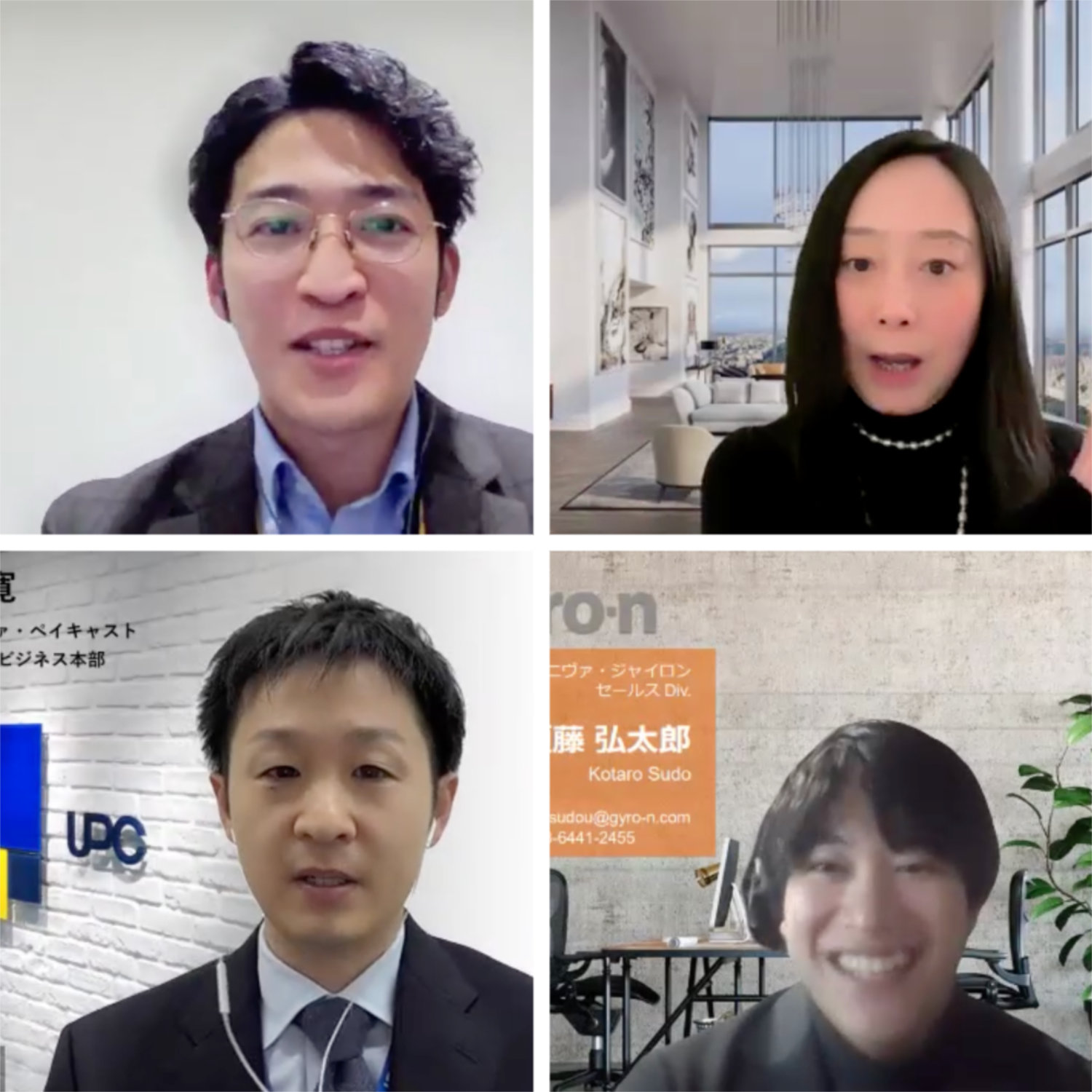
Sales representatives from three companies—UNIVA Paycast (UPC) from the payment services business, UNIVA Gyro-n (UG) from digital marketing, and North Energy (NE) from the energy sector—gathered to discuss the "truths of sales." Despite differing industries and product forms, their B2B sales experiences in the Japanese market revealed surprising commonalities. We delve into the real-world insights from UPC, UG, and NE, and explore the "UNIVA-style approach to sales" that emerged from these discussions.
> UNIVA Paycast (UPC) Akihiro Teraguchi
> UNIVA Gyro-n (UG) Kotaro Sudo
> North Energy (NE) Kanji Ozu
The strengths of each company that outcompete rivals
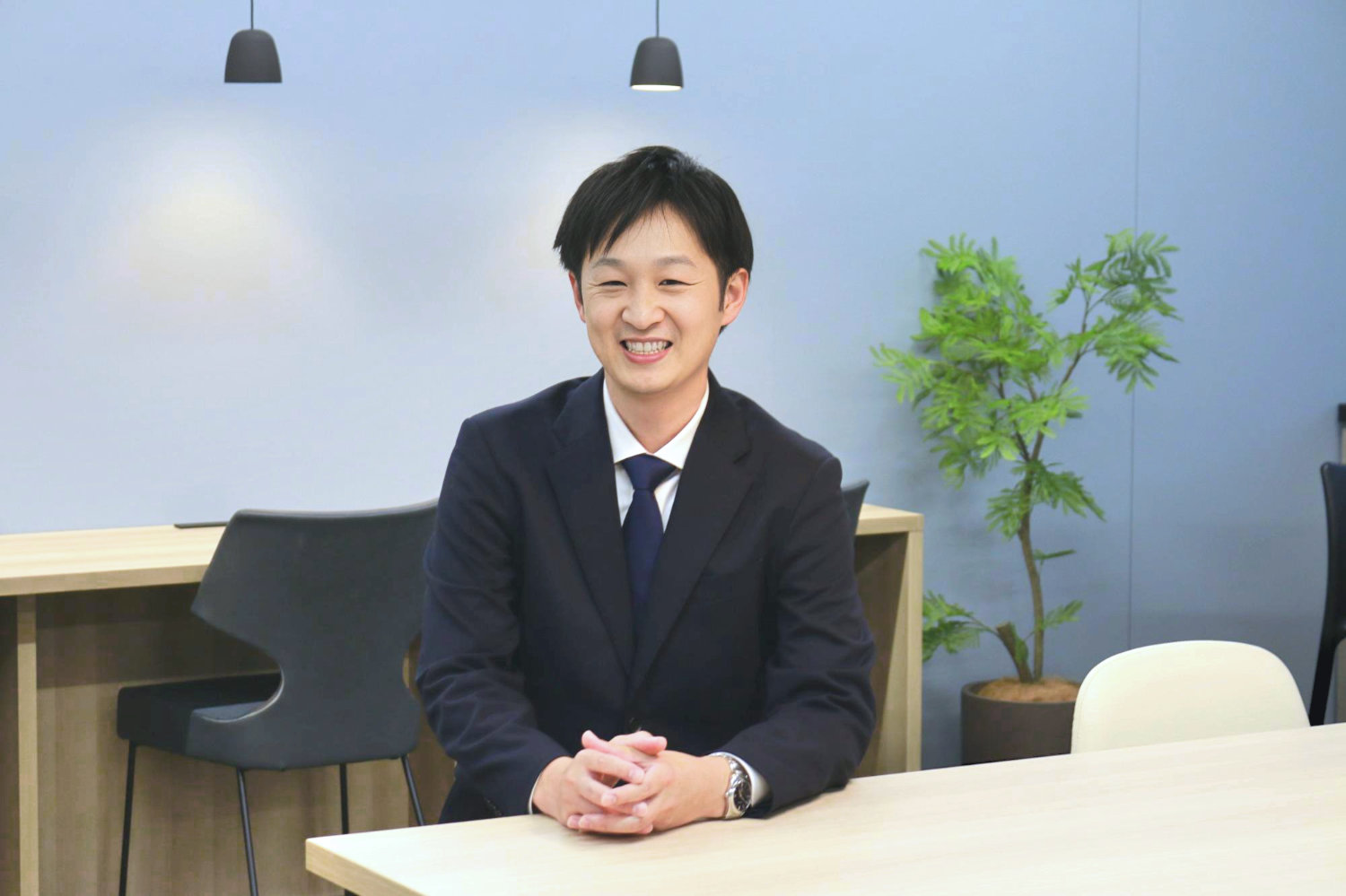
UNIVA Group × Sales—a common thread among these first-time meeting participants. With a touch of nervousness, the roundtable discussion began with introductions, starting with each company's competitive strengths.
UG Sudo: "Gyro-n is a company that develops various tools in-house, with MEO leading the way. Our strength lies in the overwhelming quality of our support. Our clients are mostly individual stores or local chains operating 10 to 20 locations. Unlike large corporations seeking operational efficiency through tools, many of our customers adopt our MEO tool specifically because they expect strong support. We are highly conscious of working closely with them, hand-in-hand, focusing on that aspect."
UPC Teraguchi: "We provide payment services for both online and physical stores. Because the service itself is infrastructure-like, making it difficult to differentiate, we focus on how we can collaborate with our agency partners. Since the agency's clients become our merchant clients using our payment service, we concentrate on acquiring customers for both sides and energizing the industry. We believe this approach deepens bonds and ultimately leads to differentiation."
NE Ozu: "This 'accompanying' approach is something we share. NE is a company primarily focused on selling solar power for self-consumption to regional businesses and municipalities in Hokkaido, as well as providing our own power generation facilities for new power companies. Surprisingly, there aren't many companies in Hokkaido that can handle everything from design and construction to maintenance and servicing. Since our founding, we've steadily built up the equipment needed to perform maintenance inspections throughout Hokkaido. This ability to provide ongoing care after project handover is a strength we believe sets us apart from competitors."
How to Build Trust: Lessons from Our Top Sales Representative
As the tension gradually eased, the conversation turned to the essence of sales: “How to Build Trust”.
UPC Teraguchi: "As negotiations progress, we often get so focused on the proposal that we start by thinking about 'how to convey our company's strengths.' But I believe that should actually be the very last step."
UG Sudo: "I understand. The initial question is 'Can I trust this person?' It's about more than just explaining the tools."
UPC Teraguchi: "Exactly. What's best for the customer, and ultimately for their customers? Unless you convey that you're thinking about that together, trust won't begin. I make it my top priority to speak in a way that makes the customer feel, 'This person is thinking about us.'"
NE Ozu: "For our company, what we emphasize to gain trust is providing a 'sense of security.' Where we differ from you two is that we deal in tangible products. Overseas, if something performs well and is cheap, it sells. But in Japan, no matter how good the product is, that alone won't sell it. What's crucial in the Japanese market is product warranty and aftercare. I believe providing 'peace of mind' is the simplest way to build trust. The shortcut to that is gaining knowledge and experience, so I make it a point to study everything without prejudice."
UG Sudo: "Our company shares a similar perspective to what Ozu san mentioned. With MEO tools, it's challenging to differentiate ourselves from competitors. So where do we build trust? I believe it lies in our know-how and knowledge. In other words, by having all employees work to elevate their skills to the same level, we can keep pace with constantly changing trends and convey our expertise and knowledge to our agency partners without holding anything back.Another point is that, unfortunately, many players in this industry resort to black hat tactics or questionable methods for optimization. Amidst this, we are absolutely committed to never engaging in such practices. We believe this commitment, coupled with providing agencies with systems that prevent them from engaging in questionable activities, builds trust."
Even if KPIs differ, the goals sales teams focus on are the same
UPC Teraguchi: "By the way, how do you all set your KPIs? We use gross profit as our KPI, not the number of contracts. For payments, we only receive commission income once our payment service is used, so contract numbers alone don't directly translate to profit. To pursue that profit, we have two approaches: one is chasing volume, and the other is pinpoint targeting industries likely to generate higher sales. We also work on various other approaches, like reaching out to existing clients to encourage greater usage."
UG Sudo: "Payments are infrastructure, after all. It's not just about getting it implemented and calling it done. That's probably a common point for everyone."
NE Ozu: "We feel exactly the same. We place great importance on how much profit actually stays within the company. To achieve that, we believe it's not just about sales effort; pursuing high-quality design without waste is also crucial. So, we collaborate closely with the construction department. I myself also weigh in with suggestions like, 'Wouldn't it be better to do it this way?' or 'How about that approach?' while moving forward."
UG Sudo: "We track things like KPIs and KGIs. Our KPI is the number of sales meetings. Ultimately, how well we communicate and engage with our distributors translates into sales. Of course, we track sales as our KGI."
UPC Teraguchi: "For us too, referrals from agents/partners make up about 80% of our business. So, we're putting a lot of effort into how to activate our agents."
Common Sales Challenges
UPC Teraguchi: "Beyond activating agents, the biggest challenge right now is new business development. This term, we even established a new department dedicated to challenging new industries and sectors. For example, we're researching areas like healthcare and education where adoption of payment services like is lagging, or industries that currently don't pass our screening but might relax requirements in the future. We're keeping our antennae up and researching these areas. However, the effort often doesn't pay off as much as we'd like, and that's where we struggle the most. How do you all approach new business development?”
UG Sudo: "For us too, new customer acquisition has recently become a pressing issue. While we've managed to attract visitors through SEO until now, new traffic from SEO has significantly declined—likely due to AI search. We're currently grappling with how to develop our next strategy."
NE Ozu: "While new customer acquisition is certainly a challenge for us too, right now we're grappling with the 'Kushiro Mega-Solar Problem*' even more urgently. The exposure of development projects ignoring regulations has led to solar power being viewed negatively across the board. In fact, local governments have become quite sensitive about it."
*A series of controversies where large-scale solar power plants (megasolar) being built around Kushiro Wetland National Park in Hokkaido have faced nationwide criticism for destroying valuable ecosystems and landscapes.
UPC Teraguchi: "Since public opinion and political issues are difficult to control, explanations seem particularly challenging right now."
NE Ozu: "Yes. So, I believe we need to actively communicate again that there are implementation methods, like rooftop installations or utilizing idle land, that don't alter the natural environment. We need to show that it's entirely possible to achieve both environmental contribution and economic benefits while moving away from fossil fuel dependence. Of course, we'll continue prioritizing our core B2B and B2G proposals, but we're also exploring approaches for B2C."
UG Sudo: "Well, even though we're in different industries, we have so many commonalities (laughs). This has been a great opportunity to take a fresh look at myself."
UPC Teraguchi: "We haven't found the ultimate answer to sales yet (laugh), but I hope this can be a starting point for us to collaborate."
NE Ozu: "It's great to confirm we share the same vision. I sincerely hope we can find opportunities to collaborate somewhere down the line. Looking forward to continuing our relationship."
Even if the businesses differ, the essence of sales remains unchanged.
This shared understanding will elevate the sales capabilities of the entire UNIVA Group and lead to our next phase of growth.
Beyond sales, we also shared impressions of each other's industries and experiences in team management. We plan to continue hosting exchange meetings, including cross-industry roundtables and discussions among colleagues in the same roles. Please share any ideas, proposals, or topics of interest with the editorial team!
Teraguchi san, Sudo san, and Ozu san, thank you very much for your time.