UNI-SQUARE
Celebrating Our First 100 UNI-SIGHTs
Charting the Future of the UNIVA CAPITAL Group (Part II)
For Part I in this series, we interviewed Chairman Inaba. We asked how he became President and CEO of Oak Capital, his concrete plans for how the Oak and UNIVA CAPITAL Groups will co-create new value, and his vision for the UNIVA CAPITAL Group’s path forward.
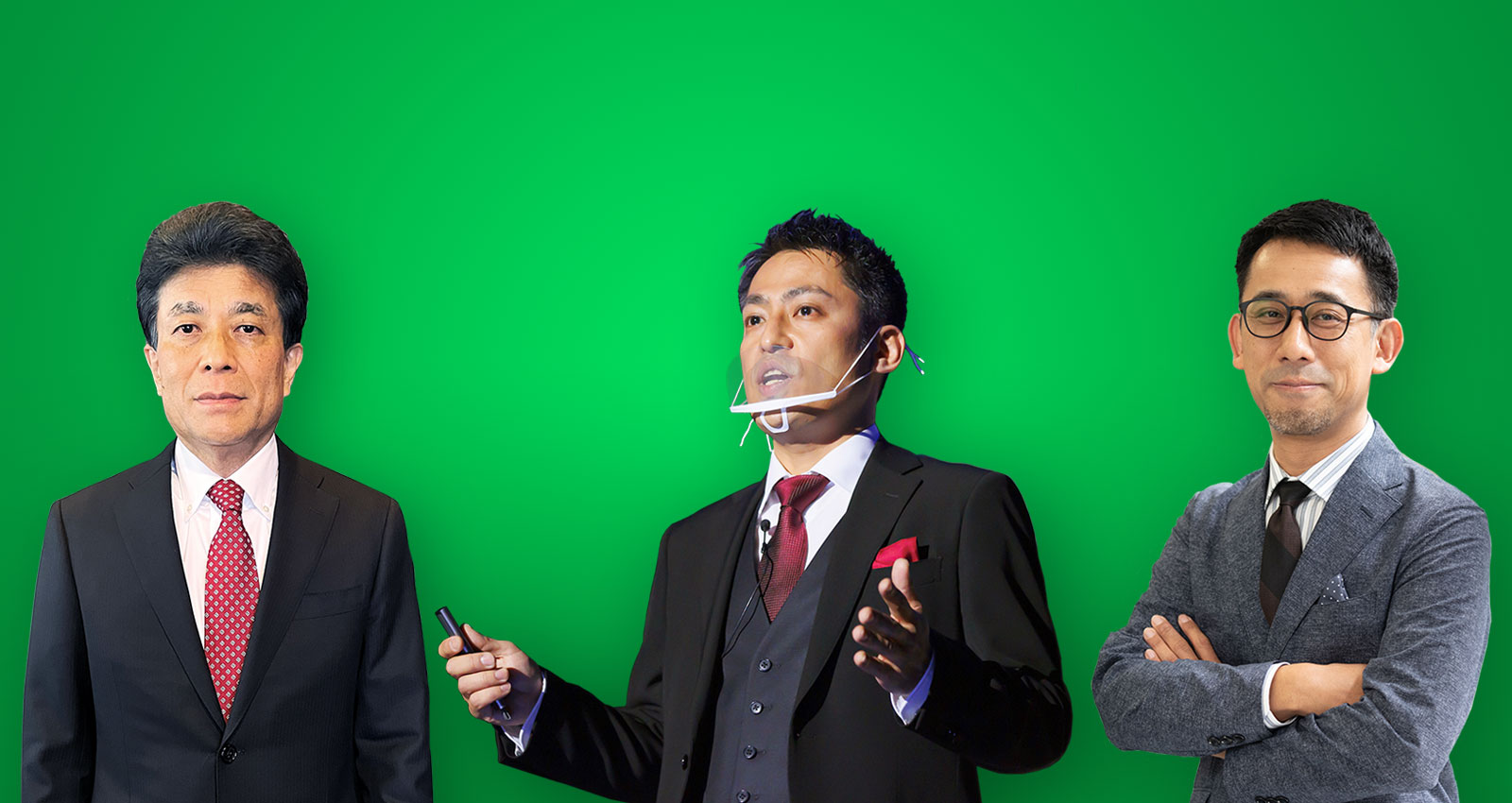
Here, in “Charting the Future of the UNIVA CAPITAL Group (Part II),” we speak with Oak Capital Managing Director and UNIVA Corporation Advisor Toshiaki Muneyuki, UNIVA Paycast President Shuhei Nakao, and UNIVA Gyro-n President Hisaatsu Shimazu. We are deeply grateful to these gentlemen for agreeing to share their views with us.
Toshiaki Muneyuki, Managing Director, Oak Capital Co., Ltd.
& Advisor, UNIVA Corporation
Shuhei Nakao, President, UNIVA Paycast Limited
Hisaatsu Shimazu, President, UNIVA Gyro-n Limited
Big Changes at Oak
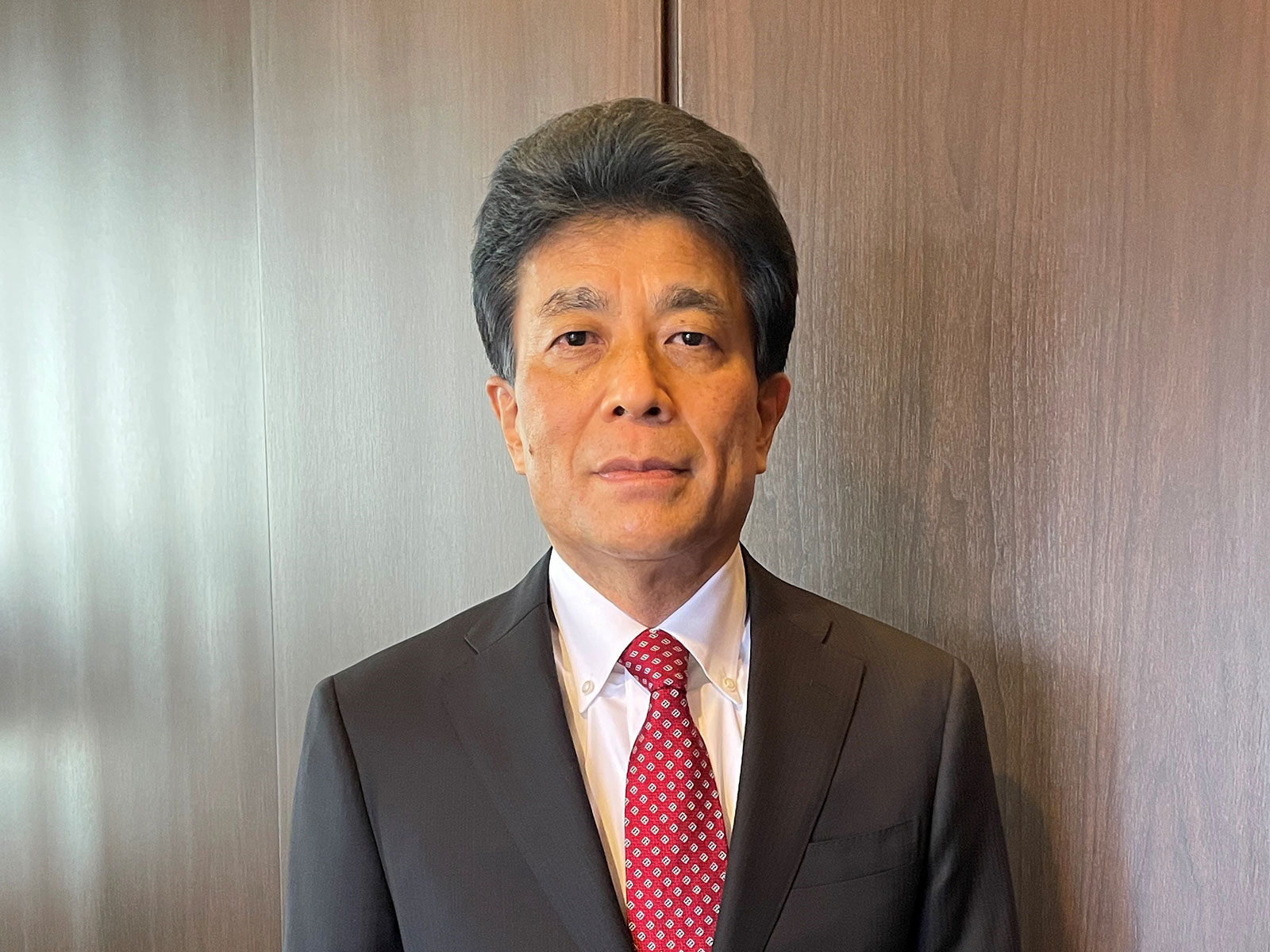
Mr. Muneyuki
Juan: First, let’s ask Mr. Muneyuki, who is both an advisor to the UNIVA CAPITAL Group and a managing director on the board of Oak Capital (hereafter Oak). From a neutral, objective position, what is the significance of the tie-up between the UNIVA CAPITAL Group and Oak?
Muneyuki: I became a managing director at Oak on July 1, 2021. Like Inaba, I want Oak to become a better company and, through restructuring, become a profitable company. For Oak to survive, it must change its business to adjust to changing times. Under the strong leadership of President Inaba, and taking full advantage of the UNIVA CAPITAL Group’s strengths in capital, talent, network, and know-how, Oak will become a company able to achieve continuous growth. Co-creation of value in collaboration with a variety of businesses will transform Oak into a company constantly striving for growth coupled with internal reform. For Oak, that is this tie-up’s greatest significance.
Juan: What has changed at Oak since Inaba became CEO?
Muneyuki: There has been enormous change. Everyone has become very cheerful and energetic.
Juan: That wasn’t the case before?
Muneyuki: The previous CEO insisted on making every management decision himself. In other words, employees were expected to do only what the chairman told them to do. All that was demanded of them was to do their assigned tasks “properly.” Inaba has shared with everyone his vision that if you have something you want to try, you should take responsibility and do it. He has asked those who share his vision what they think should be done. He has made it easier for employees to offer suggestions and to have confidence in their own ideas and plans. It has become a matter of course that if a proposal isn’t accepted, Inaba explains clearly why it failed. By doing this, he persuades employees to accept what he says and to learn and to grow. This becomes a virtuous cycle.
Juan: That is a fantastic change. Are there other new actions you can tell us about?
Muneyuki: In addition to meetings of the board of directors, we have begun holding meetings for group executives. Before, there was no place for discussion that crossed company boundaries. Now executives can share views and hold conversations that strengthen horizontal ties. This, I think, makes it possible to provide a higher level of mutual support and co-create new value.
Juan: At this moment, what is it that Oak most hopes for from the UNIVA CAPITAL Group?
Muneyuki: Our UNIVA CAPITAL Group NAKAMA’s global network, information, know-how, and capabilities are indispensable for Oak’s new business development and future growth. Conversely, Oak will provide hands-on support for the UNIVA CAPITAL Group’s growth. Assistance from Oak, which is already a listed company, in preparing IPOs is a good example of our working together to co-create new value.
Deciding to Prepare for IPOs
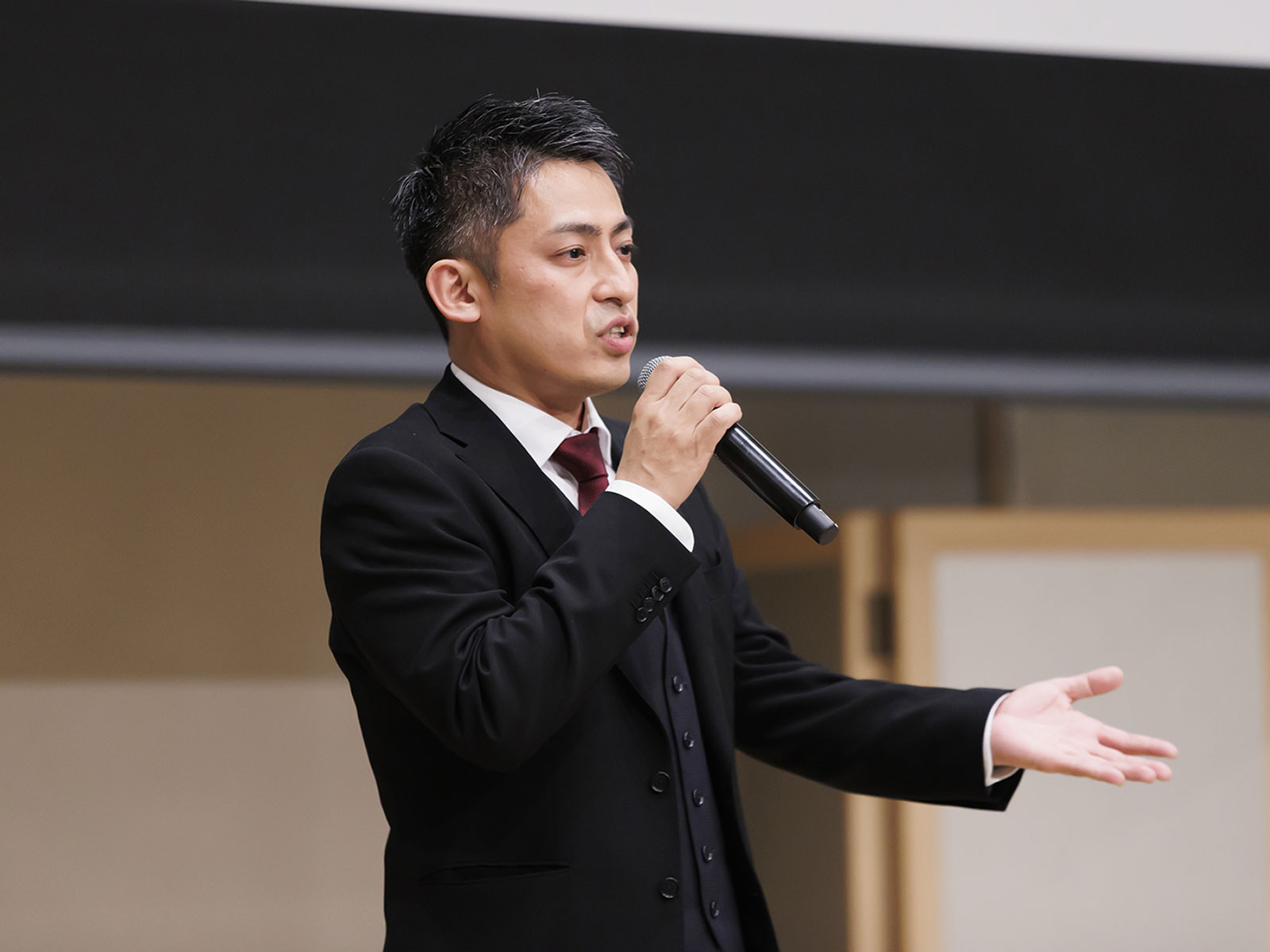
Mr.Nakao
Juan: Co-creation of value is a major role for both UNIVA Paycast (hereafter UPC) and UNIVA Gyro-n (hereafter Gyro-n). Can you tell us how these two companies came to consider becoming Oak subsidiaries?
Nakao: Chairman Inaba presented this idea to me as a chance to take a concrete step toward realizing our dream for UPC. Becoming an Oak subsidiary is a means to that end.
Juan: Was the dream for UPC to have an IPO?
Nakao: No. The dream isn’t confined to an IPO. The concept is to develop a new business plan as we approach our 20th anniversary. I had frequently spoken with Chairman Inaba about our desire to reach the stage where we grow into a global company. He understood what I was saying and responded with an offer combining becoming an Oak subsidiary with an IPO. Believing that it would help us realize our dream more smoothly. I happily accepted that offer.
Juan: How was that for you, Mr. Shimazu? Can you speak frankly about how you felt when you received that offer?
Shimazu: My response was extremely positive. Becoming an Oak subsidiary would not only accelerate our company’s growth; it would also make it possible to do immediately other things we wanted to do. Long before receiving this offer, I had always been thinking about how best to grow our business.
Juan: In 2020, Gyro-n split off from UPC to become its own company and focus on developing its business.
Shimazu: Yes. Gyro-n puts most of our effort into our local SEO business. Foreseeing growth in sales of tools for this purpose, we split off from UPC and became UNIVA Gyro-n. However, feeling that dependence on the backing of the UNIVA CAPITAL Group limited our growth, I had discussed with Chairman Inaba my desire to secure capital from other sources. He understood and supported my efforts, but we couldn’t agree on conditions. Then came a time when Chairman Inaba asked me to wait for a while. Then I received the offer to become an Oak subsidiary.
Juan: Of course. To grow both UPC and Gyro-n needed capital as well as larger networks and other resources. That is why you decided to become Oak subsidiaries. What are you now hoping for from Oak?
Nakao: Procuring capital is one thing. Naturally we need to grow our sales, but we also need resources for future development. When it comes to hiring talented people, being a subsidiary of a listed company will also be an advantage.
Shimazu: We are also looking for talent. Joining a listed group will also benefit us when it comes to public confidence.
Juan: Oak’s performance has experienced difficulties. What do you think of that?
Shimazu: What I am hoping for is that Oak will reach out to investors with an interest in Gyro-n’s SaaS business. We also hope that the know-how Oak has acquired by supporting other ventures and startups will benefit us.
Juan: Oak’s IPO expertise will be very useful.
Nakao: Exactly. As we proceed toward an IPO, Oak can provide invaluable insider know-how and experience.
Paths Forward for OAK, UPC, and Gyro-n
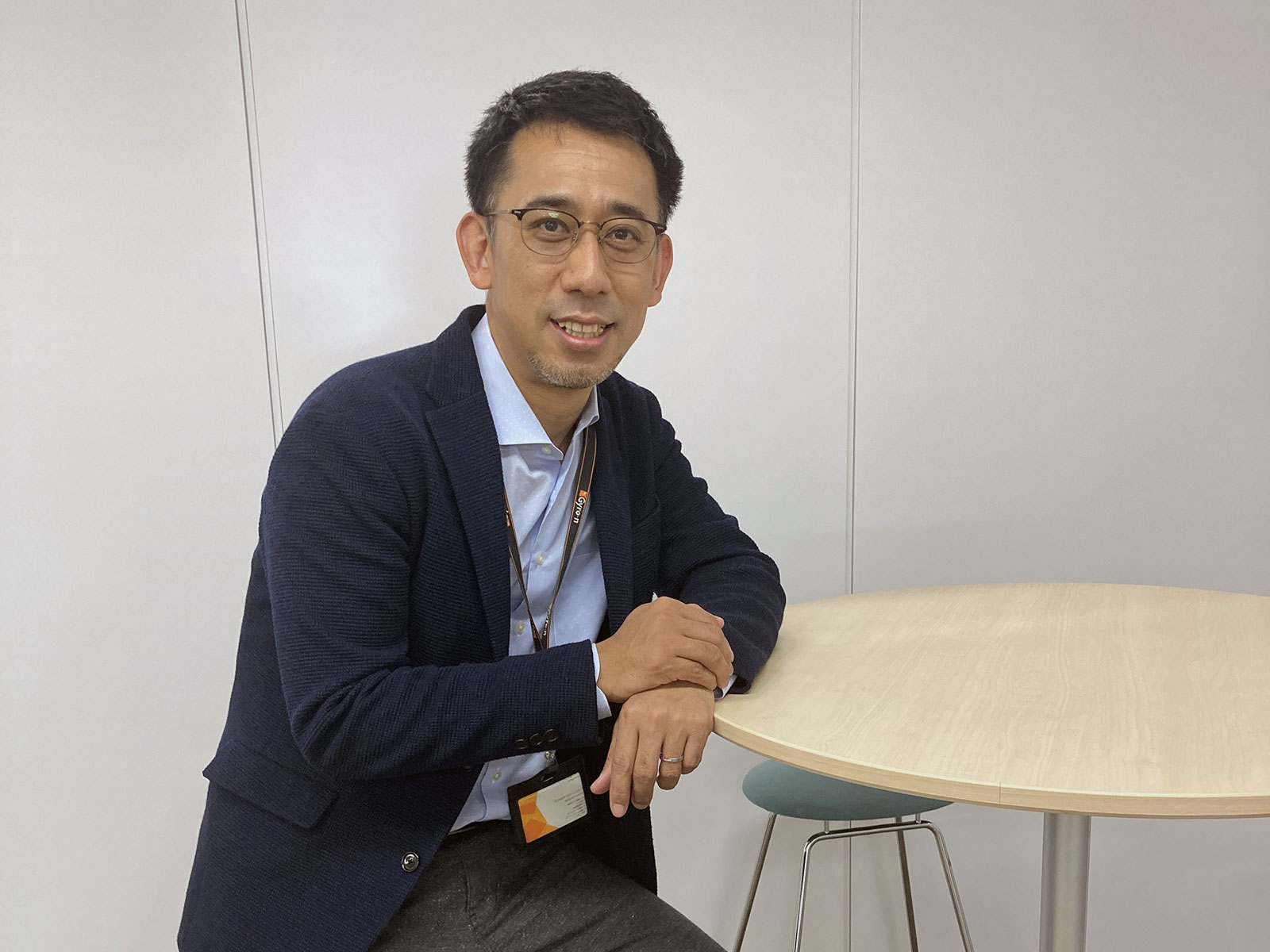
Mr. Shimazu
Juan: What are the paths forward that the three of you envision? UPC has already changed its logo.
Nakao: Our 20th anniversary was an opportunity to set sail on a new voyage toward our IPO. We chose a simple, easy to remember design for the flag under which we sail. The theme is diversity. We will continue to grow our established strength in settlements, but settlements will no longer define who we are. As we develop our business globally, we will take full advantage of our strength in settlements, but our aim is to add value across the full spectrum of logistics.
Juan: What do you mean by adding value to logistics?
Nakao: Logistics is more than the movement of money and goods alone. Our goal is a global network that connects individuals and companies worldwide. We want to take advantage of our strengths in settlements and security to create a world in which transactions are possible whenever, wherever, with whomever, from anywhere in the world, connecting the world as a whole.
Shimazu: Until now, the Gyro-n sales network has expanded from small, single-proprietor businesses to medium-scale chains. But we have not been able to develop proposals for big companies with as many as a thousand outlets. We are often approached with requests for consulting or operations support, but Gyro-n still lacks sufficient resources to satisfy those requests. We hope that with Oak’s backing, we will be able to develop new business.
Juan: Finally, can you share concrete targets?
Shimazu: For the next three years, we will be preparing internally for our IPO. Our target is to be listed in 2025. The SaaS business model anticipates sales increasing over the long term. We tell our staff that sales of just a few thousand yen are just the beginning. Growth is more than sales alone. We press upon them the importance of educating prospects about the value of local SEO in attracting customers and developing and distributing information. All are necessary steps on the way to an IPO. In terms of concrete numbers, our target is 40% growth in both sales and operating profit.
Nakao: Our target is sales worth six billion yen by March 2025. That’s twice our current number, but we are sure to reach it.
Muneyuki: I believe that a division of labor in which we combine our people, capital, information, and networks is the way in which we can jointly create new value. We can help each other grow, our companies will make money, and we will make a reality of co-creating value in a way that is a “Win-Win-Win” for everyone.
Juan: Muneyuki-san, Nakao-san, Shimazu-san, thank you so much. We all look forward to discovering where this new journey on which the UNIVA CAPITAL Group and Oak are setting sail together will take us.